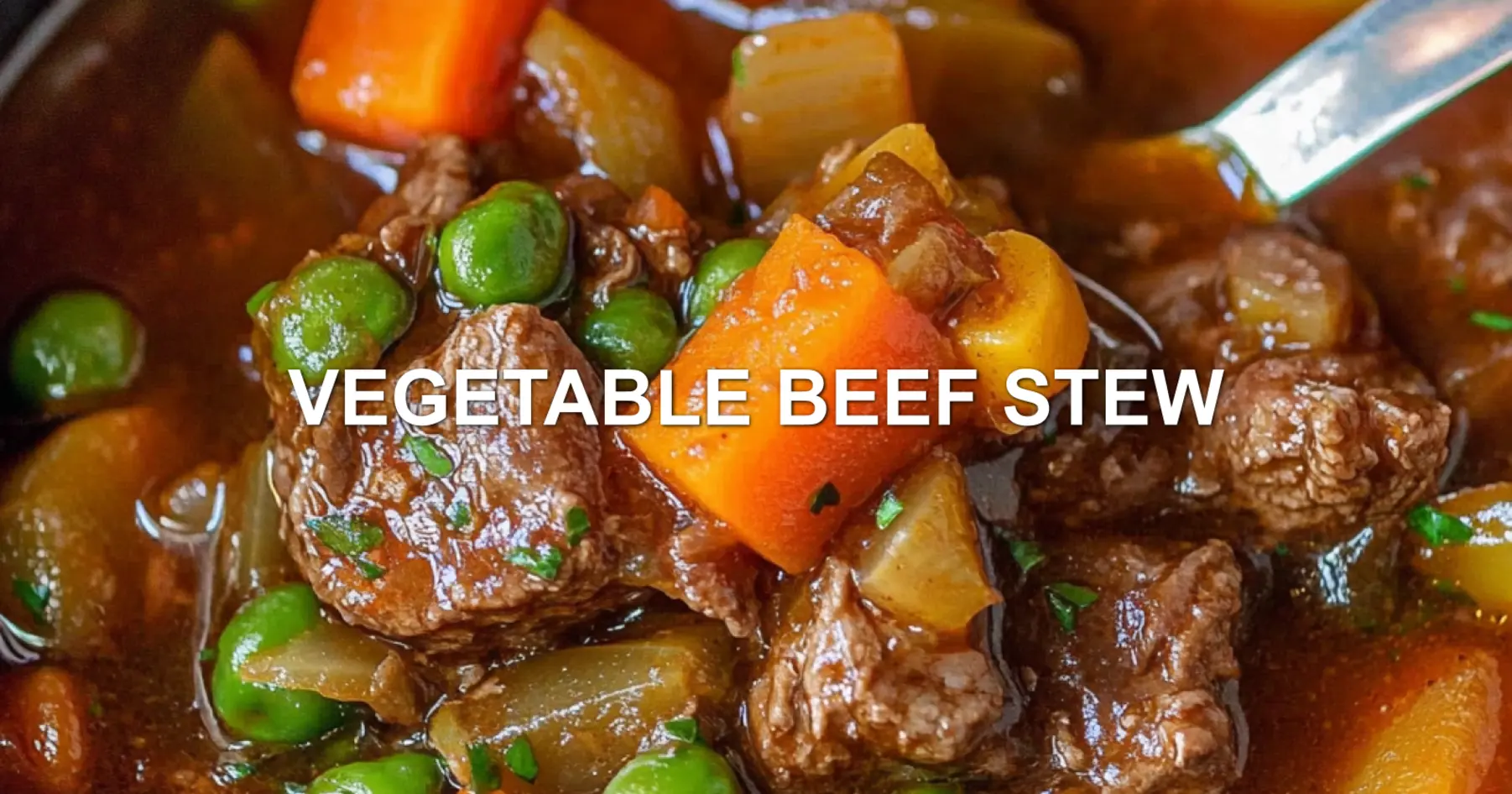

There’s something about coming home to a pot of vegetable beef stew simmering on the stove that just feels right. The smell of tender beef mingling with sweet carrots, earthy potatoes, and rich tomato brothit pulls you straight into the kitchen. This is the kind of meal that warms you from the inside out.
I first made this back in January 2019, when a snowstorm knocked out power for half my neighborhood and I needed something hearty that could cook low and slow on the gas stove. My neighbor popped over and said, “That smells like my childhood!” The secret is browning the beef in batchesdon’t crowd the panso you get that deep, caramelized flavor that makes the whole pot sing. After testing this dozens of times for the blog, I can tell you it’s foolproof and freezes beautifully.
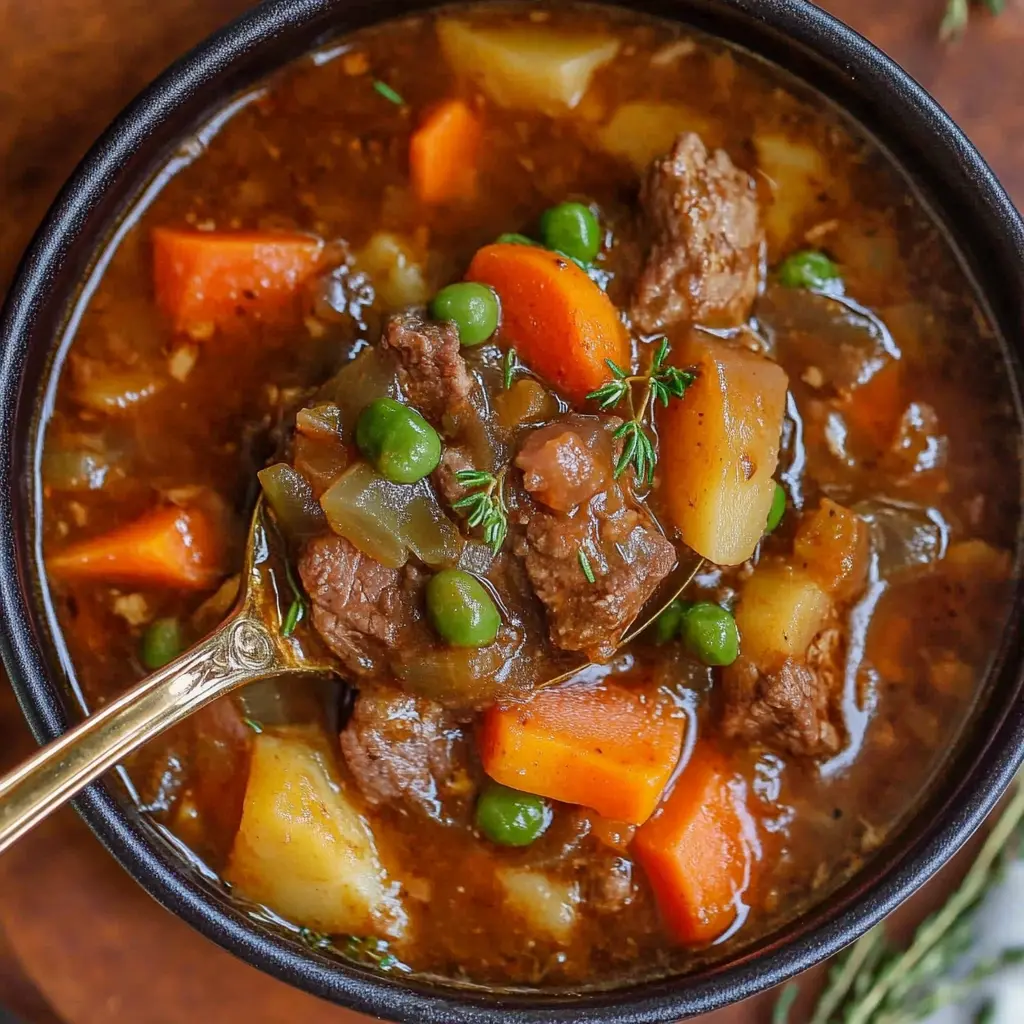
Easy Vegetable Beef Stew Recipe Perfect for Cozy Nights
Ingredients
Method
- Set your oven to 325 degrees Fahrenheit to warm up as you prepare.
- Season the beef chunks evenly with salt and pepper then coat them lightly in flour.
- Heat butter and canola oil in a large Dutch oven over medium heat and brown the beef thoroughly in batches, about 3 to 4 minutes each.
- After removing the last batch of beef, sauté the onions, garlic, and carrots in the pot for 2 to 3 minutes until they begin to caramelize.
- Add potatoes, corn, beef broth, tomato paste, bay leaf, thyme, and Worcestershire sauce to the pot; stir everything together well.
- Return the browned beef to the pot, cover it tightly, and place it in the oven to cook slowly for two and a half hours.
- About thirty minutes before the end of cooking, stir in the green beans and frozen peas and let them cook until tender.
- Once done, take out the bay leaf and serve the stew warm.
Notes
- Click on the times in the instructions to start a kitchen timer as you cook for convenience.
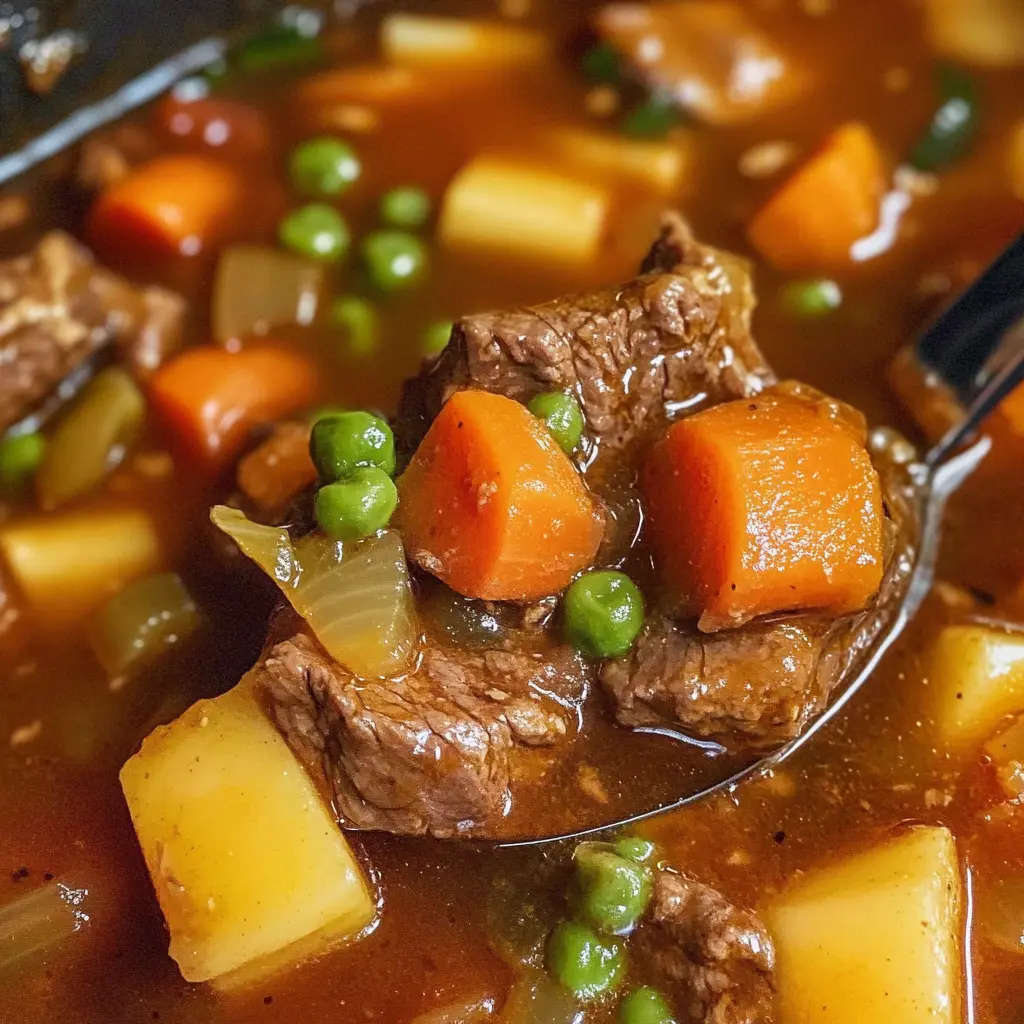
Why You’ll Love This Vegetable Beef Stew
This recipe brings together everything you want on a chilly evening: tender chunks of chuck roast, sweet carrots, golden Yukon potatoes, and bright pops of corn and peas. It’s the kind of dinner that fills your kitchen with the smell of home and makes everyone gather around the table without being asked.
- Deeply flavorful: Browning the beef in batches creates a caramelized crust that adds richness to every spoonful of broth.
- Wholesome and hearty: Packed with real vegetables and protein, this stew is nourishing without feeling heavy.
- Hands-off cooking: Once it goes into the oven, you’re free to curl up with a book or tackle that laundry pile.
- Freezer-friendly: Make a double batch and stash half for those nights when cooking feels impossible.
What You’ll Need
The beauty of this vegetable beef stew is that it relies on pantry staples and fresh produce you can find at any grocery store. No fancy ingredients, no special tripsjust honest, wholesome food that comes together into something truly comforting.
For the beef: Chuck roast is ideal here because it has just enough marbling to become melt-in-your-mouth tender after slow cooking. You’ll cut it into 2-inch chunks, season with kosher salt and coarse ground black pepper, then dredge in flour to help create that gorgeous crust.
For the vegetables: Yellow onion and garlic form the aromatic base, while carrots and Yukon potatoes add sweetness and body. Corn brings a pop of sunshine, and green beans and frozen green peas finish the stew with vibrant color and freshness.
For the broth and seasonings: Beef broth is your liquid gold here, enriched with tomato paste for depth, a bay leaf for subtle earthiness, thyme for warmth, and Worcestershire sauce for that savory, umami punch.
For browning: A combination of unsalted butter and canola oil gives you the best of both worldsbutter adds flavor, while oil keeps the butter from burning at higher heat.
| Ingredient | Why It Matters |
|---|---|
| Chuck roast | Becomes fork-tender with slow cooking; full of flavor |
| Flour | Creates a golden crust and helps thicken the broth |
| Tomato paste | Adds rich, concentrated tomato flavor and color |
| Worcestershire sauce | Deepens savory notes with subtle tang |
| Bay leaf | Infuses the broth with gentle herbal warmth |
How to Make It Step by Step
This stew comes together in stages, and each one builds flavor. Don’t rush the browning stepthat’s where the magic happens.
Step 1: Season and dredge the beef. Preheat your oven to 325 degrees. Cut your chuck roast into 2-inch chunks, season generously with kosher salt and coarse ground black pepper, then toss in flour until each piece is lightly coated. This coating helps develop a beautiful crust and thickens the broth as it cooks.
Step 2: Brown the beef in batches. Heat the unsalted butter and canola oil in a large dutch oven over medium heat. Add the beef in small batchesdon’t crowd the pan or it will steam instead of brown. Let each batch cook undisturbed for 3 to 4 minutes per side until deeply golden. Remove and set aside.
Step 3: Build the base. After the last batch of beef is out, add the chopped yellow onion, minced garlic, and carrots to the pot. Stir and cook for 2 to 3 minutes until they start to caramelize and smell amazing. Then add the Yukon potatoes and corn, followed by the beef broth, tomato paste, bay leaf, thyme, and Worcestershire sauce. Stir everything together until the tomato paste dissolves into the broth.
Step 4: Braise in the oven. Return the browned beef to the pot, cover with a lid, and slide it into the oven. Let it cook undisturbed for 2.5 hours. The low, gentle heat will transform the beef into tender, pull-apart chunks and allow the flavors to meld beautifully.
Step 5: Add the green vegetables. After 2.5 hours, stir in the green beans and frozen green peas. Cover again and cook for another 30 minutes. These vegetables cook quickly, so adding them at the end keeps them bright and tender without turning mushy.
Step 6: Finish and serve. Remove the pot from the oven, fish out the bay leaf, and give everything a gentle stir. Ladle into deep bowls and enjoy the cozy, soul-warming goodness.
Tips for the Best Results
A few small tricks can take your stew from good to unforgettable. These are the little things I’ve learned after making this recipe more times than I can count.
- Don’t skip the browning: It might feel tedious to brown the beef in batches, but that caramelized crust is the foundation of all the flavor in your broth.
- Use a heavy dutch oven: It distributes heat evenly and keeps the stew from scorching on the bottom.
- Let it rest: If you have time, let the stew sit after it comes out of the oven. The flavors deepen, and the broth thickens slightly as it cools.
- Taste and adjust: Before serving, taste the broth. You might want a pinch more salt or a splash more Worcestershire sauce depending on your preference.
Swaps and Substitutions
This recipe is wonderfully flexible. You can work with what’s in your fridge or make tweaks to suit your family’s tastes.
| Original Ingredient | Swap Option |
|---|---|
| Chuck roast | Stew meat or beef brisket (adjust cook time as needed) |
| Yukon potatoes | Russet or red potatoes |
| Frozen green peas | Fresh peas or edamame |
| Canola oil | Olive oil or vegetable oil |
| Yellow onion | White or sweet onion |
| Fresh green beans | Frozen green beans (no need to thaw) |
Pro Tip: If you want a thicker stew, mash a few pieces of potato against the side of the pot before serving. It naturally thickens the broth without adding extra flour or cornstarch.
How to Serve and Store
This stew is a complete meal on its own, but it also pairs beautifully with crusty bread, buttered rolls, or a simple green salad. I love serving it in wide, shallow bowls so everyone can see all the colorful vegetables peeking through the rich broth.
For storing: Let the stew cool completely, then transfer to airtight containers. It will keep in the fridge for up to 4 days. The flavors actually get better on day two, so don’t be surprised if your leftovers taste even more delicious.
For freezing: Portion the cooled stew into freezer-safe containers or zip-top bags, leaving a little room at the top for expansion. Freeze for up to 3 months. Thaw overnight in the fridge, then reheat gently on the stovetop over medium-low heat, stirring occasionally.
| Storage Method | How Long | Best Practice |
|---|---|---|
| Refrigerator | Up to 4 days | Store in airtight containers; reheat gently on stovetop |
| Freezer | Up to 3 months | Portion into servings; thaw overnight before reheating |
| Reheating | Use low heat and stir often to prevent scorching |
What Makes This Stew So Special
There’s a reason vegetable beef stew has been a family favorite for generations. It’s forgiving, flexible, and deeply satisfying in a way that few meals are. You don’t need fancy techniques or hard-to-find ingredientsjust good beef, fresh vegetables, and a little patience.
Every time I make this, I’m reminded of my grandmother’s kitchen in Texas, where she’d have a pot of something hearty simmering on the stove no matter the season. She believed that a good stew could fix a hard day, bring people together, and make a house feel like a home. I think she was right.
Follow me on to unlock a world of flavorful recipes and creative food ideas Pinterest!
FAQs (Vegetable Beef Stew)
What cut of beef works best for this recipe?
Chuck roast is my go-to choice because it becomes incredibly tender during the long cooking process. Cut it into 1-2 inch cubes for even cooking. Beef stew meat from the grocery store works well too, though it’s often more expensive per pound than cutting your own chuck roast.
How long should I cook this stew?
Plan for about 2-3 hours of total cooking time for the most tender results. The beef needs at least 1.5 hours to break down properly. You’ll know it’s ready when the meat easily shreds with a fork and the vegetables are soft throughout.
Can I make this in a slow cooker?
Absolutely! Brown the beef first in a skillet for better flavor, then transfer everything to your slow cooker. Cook on low for 6-8 hours or high for 3-4 hours. Add delicate vegetables like peas in the last 30 minutes to prevent overcooking.
What vegetables should I add and when?
Add hearty vegetables like carrots, potatoes, and celery with the beef since they need longer cooking time. Softer vegetables like green beans, corn, or peas should go in during the last 20-30 minutes. This prevents them from turning mushy while ensuring everything finishes together.
How do I thicken the broth?
Mix 2 tablespoons of cornstarch with cold water to create a slurry, then stir it into the simmering stew. Alternatively, mash some of the cooked potatoes against the pot sides to naturally thicken the liquid. Both methods work great and add richness to the final dish.
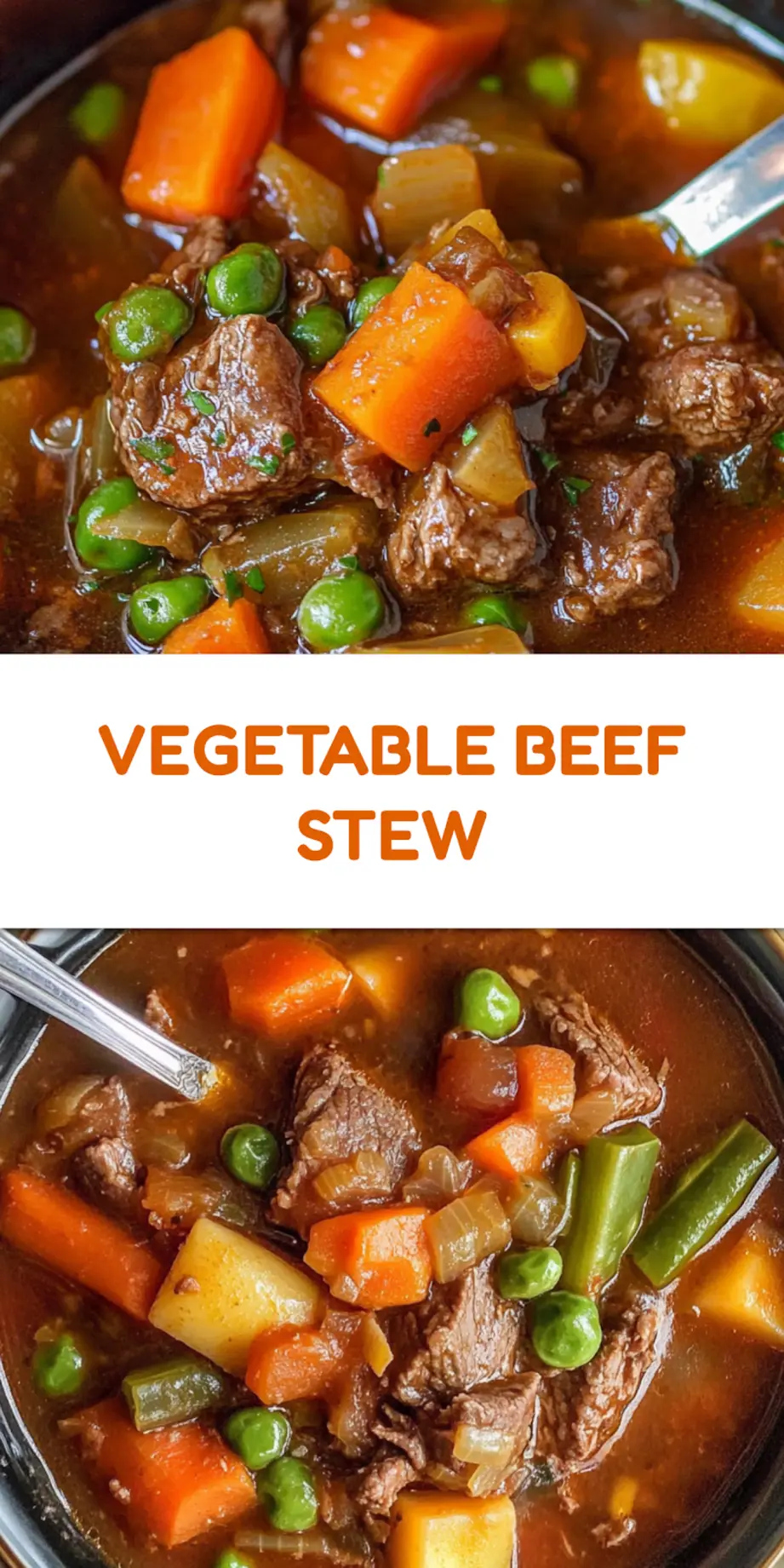
You’ll love how this vegetable beef stew turns out after the oven does its magicthe beef pulls apart with just a fork, and the broth is rich and velvety from all that slow simmering. It’s the kind of meal that makes your whole house smell like comfort and home.
This stew is wonderfully forgiving and welcomes whatever vegetables you have on hand. Leftovers actually taste better the next day, so don’t hesitate to make extra and freeze half for a busy weeknight when cooking feels impossible.
I’d love to hear what vegetables you add to yoursdid your mom make it with turnips, or maybe cabbage? Snap a photo when yours is bubbling away and tag me so I can see your cozy creation. Save this recipe for the next chilly evening when you need something warm, nourishing, and soul-filling to gather your family around the table.