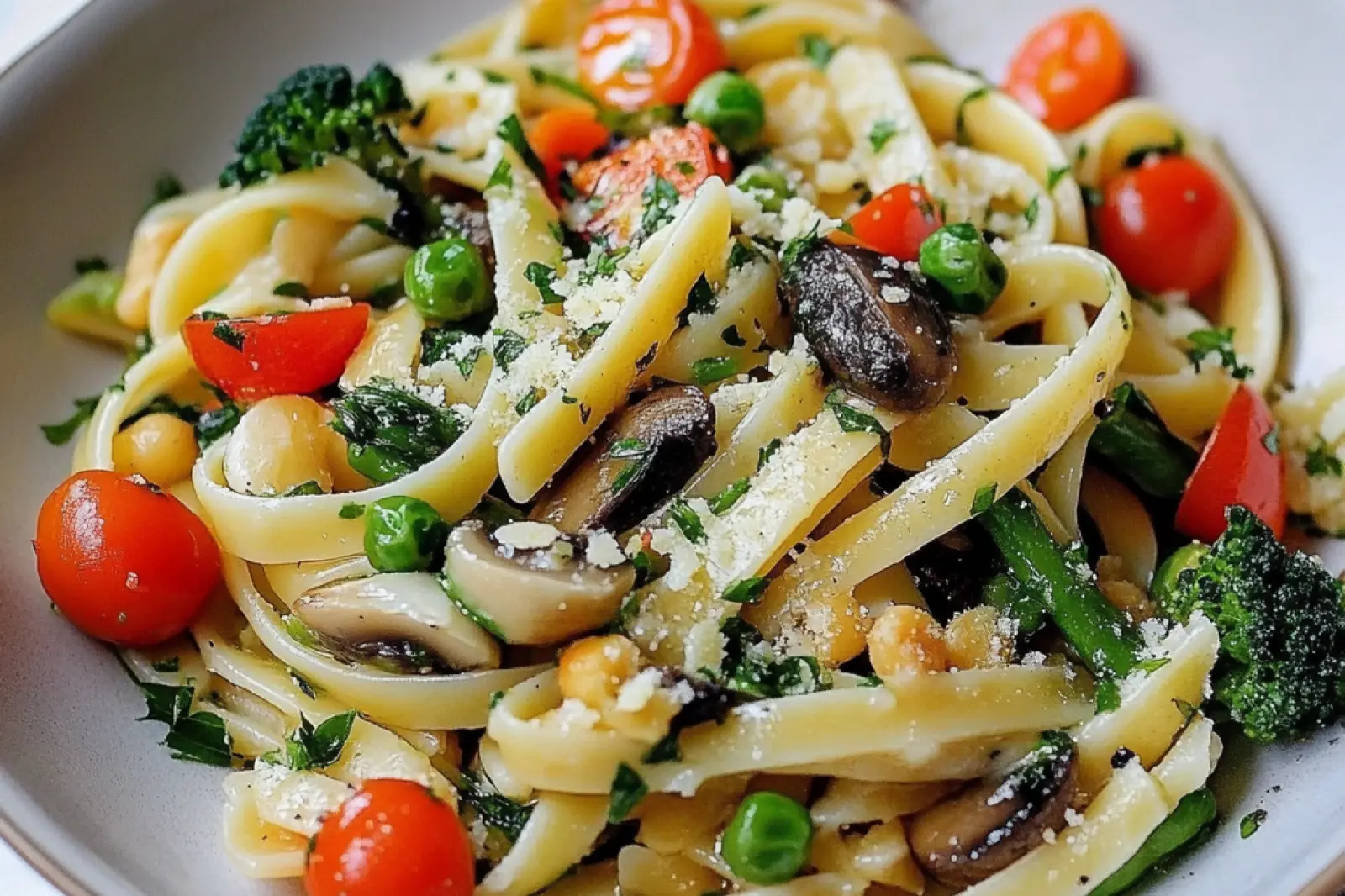

When spring vegetables are bright and crisp at the market, that’s when you know it’s time for pasta primavera. It’s the kind of dish that feels light but satisfyingcreamy sauce coating tender pasta with pops of color from zucchini, bell peppers, and cherry tomatoes.
I started making this back in 2019 when a student in my weeknight cooking class said she wanted something that “tasted like a garden but didn’t take an hour.” We tested it with different vegetables and found that cutting everything the same sizeabout the width of a pencilmakes it cook evenly and look restaurant-pretty. After ten years of recipe testing, I can tell you this one’s a keeper.
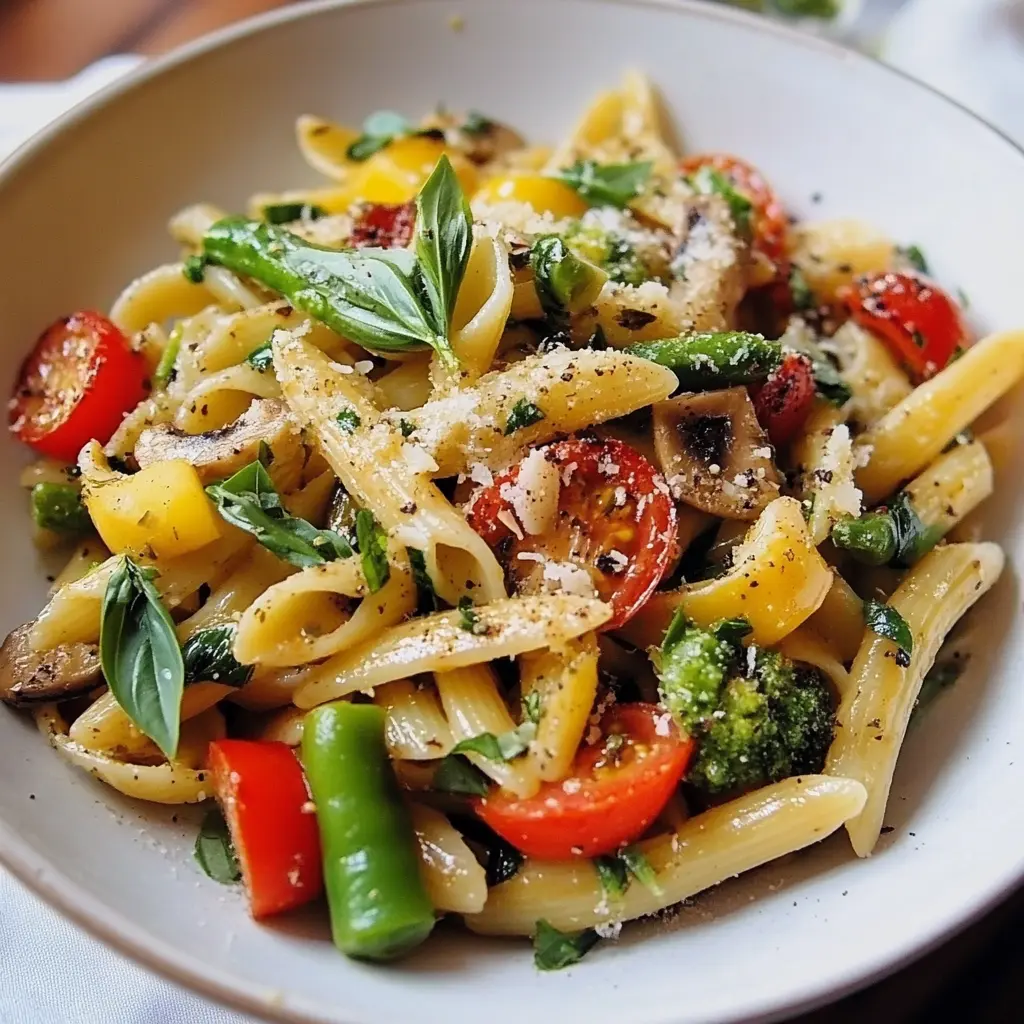
Pasta Primavera Recipe: Easy Fresh and Delicious
Ingredients
Method
- Fill a large pot with water and bring it to a vigorous boil. Add salt and the penne pasta. Cook the pasta for about 11 minutes, stirring occasionally to avoid sticking. Once done, drain the pasta and return it to the pot.
- While the pasta cooks, heat olive oil in a large skillet over medium-high heat. Add asparagus, yellow bell pepper, and broccoli. Cook these vegetables for 2 to 3 minutes, stirring from time to time. Next, add zucchini and continue cooking for 1 to 2 minutes until the vegetables are tender but still retain some crunch. Season with salt and black pepper as preferred. Transfer the cooked vegetables to a separate bowl.
- Return the skillet to the stove and melt butter over medium heat. Add minced shallot and garlic, cooking for approximately 2 minutes until fragrant. Stir in lemon zest and pour in vegetable broth. Let the mixture simmer, reducing by half in about 4 to 5 minutes. Then add heavy cream along with 2 tablespoons of the lemon juice.
- Add the frozen peas directly into the pot with the drained pasta and mix together. Incorporate the sautéed vegetables into the pasta. Pour the prepared lemon cream sauce over everything and mix gently to combine well. Fold in the shredded Parmesan cheese and the remaining tablespoon of lemon juice. Finally, add the grape tomatoes and chopped basil, seasoning with additional salt and black pepper to taste.
- Transfer the completed pasta primavera to a serving bowl or dish. Garnish with chopped Italian parsley, extra Parmesan cheese, and a sprinkle of crushed red pepper flakes. Serve the dish warm and enjoy.
Notes
- You can vary the vegetables by including mushrooms, yellow squash, artichoke hearts, carrots, spinach, or kale. Use any pasta shape you like, and substitute gluten-free pasta if needed. For added protein, consider chicken, shrimp, beans, or tofu. Store leftovers in an airtight container in the refrigerator for up to 5 days.
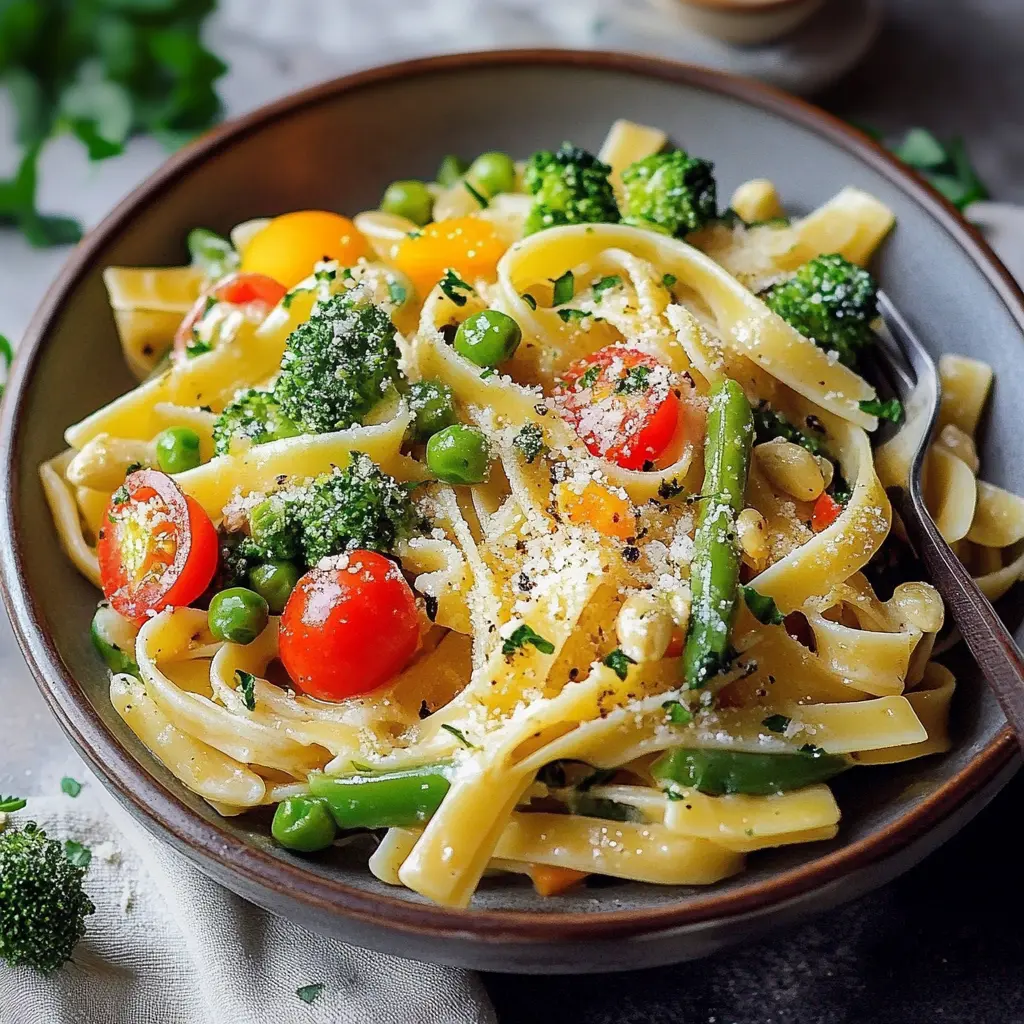
Why You’ll Love This Pasta Primavera
This is the dish I turn to when I want something that feels indulgent but won’t weigh me down. The lemon cream sauce is light enough to let the vegetables shine, and every bite tastes like springtimeeven if you’re making it in October.
- Ready in 35 minutes: Perfect for weeknights when you want something special without the fuss.
- Loaded with vegetables: Asparagus, broccoli, zucchini, bell peppers, and tomatoes make this colorful and nourishing.
- Creamy but balanced: The lemon cream sauce adds richness without feeling heavy.
- Customizable: Swap vegetables based on what’s in your crisper or add grilled chicken for extra protein.
Key Ingredients You’ll Need
The beauty of pasta primavera is that it works with what you have. I’ve made this with different vegetables each season, and it always turns out delicious. Here’s what makes this version special:
- Penne pasta: The ridges catch the sauce beautifully, but any short pasta shape works.
- Fresh spring vegetables: Asparagus, broccoli, zucchini, and yellow bell pepper add color and texture.
- Lemon cream sauce: A simple mix of vegetable broth, heavy cream, lemon juice, and lemon zest creates a silky coating.
- Parmesan cheese: Stirred in at the end for a salty, nutty finish.
- Grape tomatoes and basil: Added last to keep them fresh and bright.
Pro Tip: Cut all your vegetables to roughly the same sizeabout 1 ½ inchesso they cook evenly and look cohesive on the plate.
How to Make It Step by Step
The secret to great pasta primavera is timing. You’ll cook the pasta and vegetables separately, then bring everything together at the end. This keeps the vegetables crisp and prevents the pasta from getting mushy.
| Step | What to Do | Time |
|---|---|---|
| 1 | Boil pasta in salted water until al dente, drain, and return to pot | 11 minutes |
| 2 | Sauté asparagus, peppers, and broccoli in olive oil; add zucchini and cook until tender-crisp | 3–5 minutes |
| 3 | Melt butter, cook shallot and garlic, add lemon zest and vegetable broth; simmer until reduced by half | 6–7 minutes |
| 4 | Stir in heavy cream and 2 tablespoons lemon juice | 1 minute |
| 5 | Add peas to pasta pot, then vegetables, then sauce; stir in Parmesan, remaining lemon juice, tomatoes, and basil | 2 minutes |
Note: Don’t skip reducing the vegetable brothit concentrates the flavor and keeps the sauce from being watery.
Simple Swaps and Tweaks
One of my favorite things about this recipe is how forgiving it is. After years of testing different combinations, I’ve learned that almost any seasonal vegetable works here.
| Instead of This | Try This |
|---|---|
| Penne pasta | Farfalle, rigatoni, or gluten-free pasta |
| Heavy cream | Half-and-half for a lighter sauce |
| Spring vegetables | Mushrooms, spinach, yellow squash, or artichoke hearts |
| Vegetarian | Add grilled chicken, shrimp, or white beans for protein |
Pro Tip: If you’re adding protein, cook it separately and toss it in at the very end so it stays tender.
How to Serve and Store
I like to serve this in a big, wide bowl with extra Parmesan and crushed red pepper flakes on the side. It’s beautiful enough for company but easy enough for a Tuesday night.
- Serving: Garnish with Italian parsley, a sprinkle of Parmesan, and a pinch of red pepper flakes for a little heat.
- Storing: Keep leftovers in an airtight container in the fridge for up to 5 days. The sauce thickens as it sits, so add a splash of vegetable broth when reheating.
- Reheating: Warm gently on the stovetop over low heat, stirring occasionally, or microwave in 1-minute intervals.
Note: The tomatoes and basil stay brightest when added just before serving, so if you’re meal prepping, stir them in fresh each time.
Follow me on to unlock a world of flavorful recipes and creative food ideas Pinterest !
FAQs ( Pasta Primavera )
What vegetables work best in this spring pasta dish?
Fresh seasonal vegetables like asparagus, bell peppers, zucchini, cherry tomatoes, and broccoli are ideal. I recommend cutting them into similar-sized pieces for even cooking. Snow peas and carrots also add great color and crunch to this meal.
Can I make Pasta Primavera ahead of time?
While best served fresh, you can prep vegetables up to 24 hours ahead and store them in the refrigerator. Cook the pasta and combine everything just before serving to maintain the vegetables’ texture and vibrant colors.
What type of pasta should I use for this recipe?
Medium pasta shapes like penne, fusilli, or farfalle work perfectly as they hold the sauce and vegetables well. I prefer penne because its tubes capture the creamy sauce beautifully. Fresh linguine or fettuccine are also excellent choices.
How do I prevent the vegetables from overcooking?
Add harder vegetables like carrots and broccoli first, then softer ones like zucchini and tomatoes later. Cook each type just until crisp-tender, about 2-3 minutes per batch. This technique keeps everything perfectly textured.
Can I make this dish dairy-free or vegan?
Absolutely! Replace heavy cream with coconut cream or cashew cream, and use nutritional yeast instead of Parmesan cheese. Olive oil with garlic and herbs creates a delicious light sauce that lets the vegetable flavors shine through.
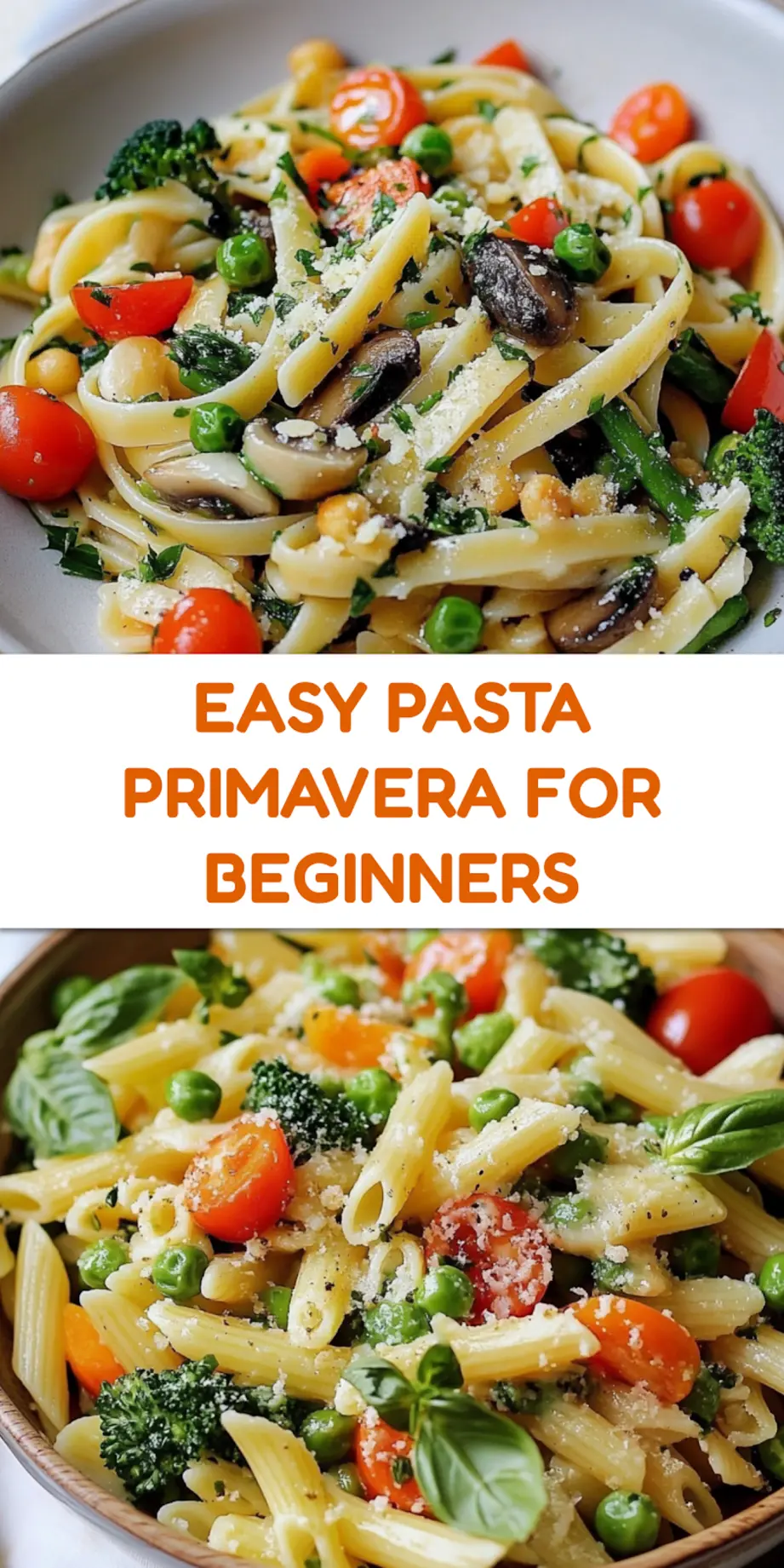
This pasta primavera comes together in just 35 minutes, and every time I make it, I’m reminded why it’s been a weeknight favorite for years. The vegetables stay tender-crisp, the lemon cream sauce clings to every ridged piece of penne, and that first bitebright, creamy, with just a hint of garlictastes like you spent way more time than you actually did. You’ll love how it turns out, especially when you see those pops of color on the plate.
If you want a little more richness, toss in some grilled chicken or sautéed shrimp right at the end. A trick I learned from my aunt’s kitchen: save a cup of pasta water before drainingit’s perfect for loosening the sauce if it thickens up in the fridge. Leftovers reheat beautifully on the stovetop with a splash of broth, and the flavors actually deepen overnight. Try swapping in whatever vegetables you havesugar snap peas, spinach, or even roasted red peppers work wonderfully.
I’d love to hear how this turns out in your kitchentag me with a photo or let me know what vegetables you used. Did you grow up with a version of this, maybe from a favorite Italian restaurant or a family friend’s table? Either way, I hope this recipe becomes one you reach for when you want something light, nourishing, and just plain comforting. Save it, share it with someone who needs a little springtime on their plate, and enjoy every colorful, delicious bite.