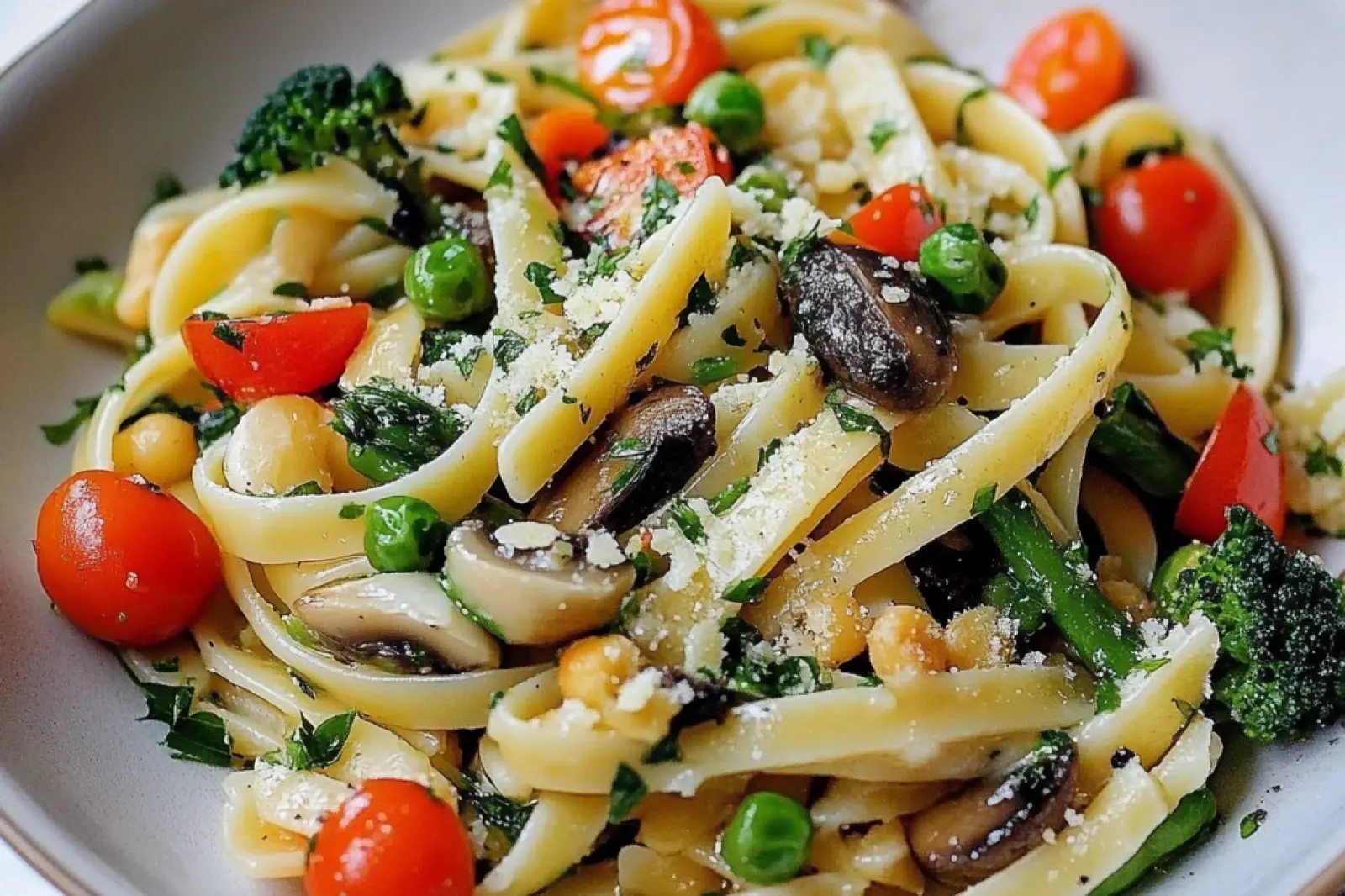

There’s something about a big bowl of bright spring vegetables tossed with perfectly cooked pasta that just feels like celebration. Pasta Primavera brings garden-fresh flavor to your table with almost no fusscrisp-tender veggies, a light garlicky sauce, and all the color your dinner plate has been missing.
I tested this in my kitchen back in March when the farmers’ market had just started bursting with snap peas and baby zucchini. The trick I learned after making it probably two dozen times? Don’t overcook those vegetablesthey should still have a little bite, almost like they’re winking at you from the bowl. That’s when the texture really sings, and after ten years of writing about food, I can tell you it makes all the difference.
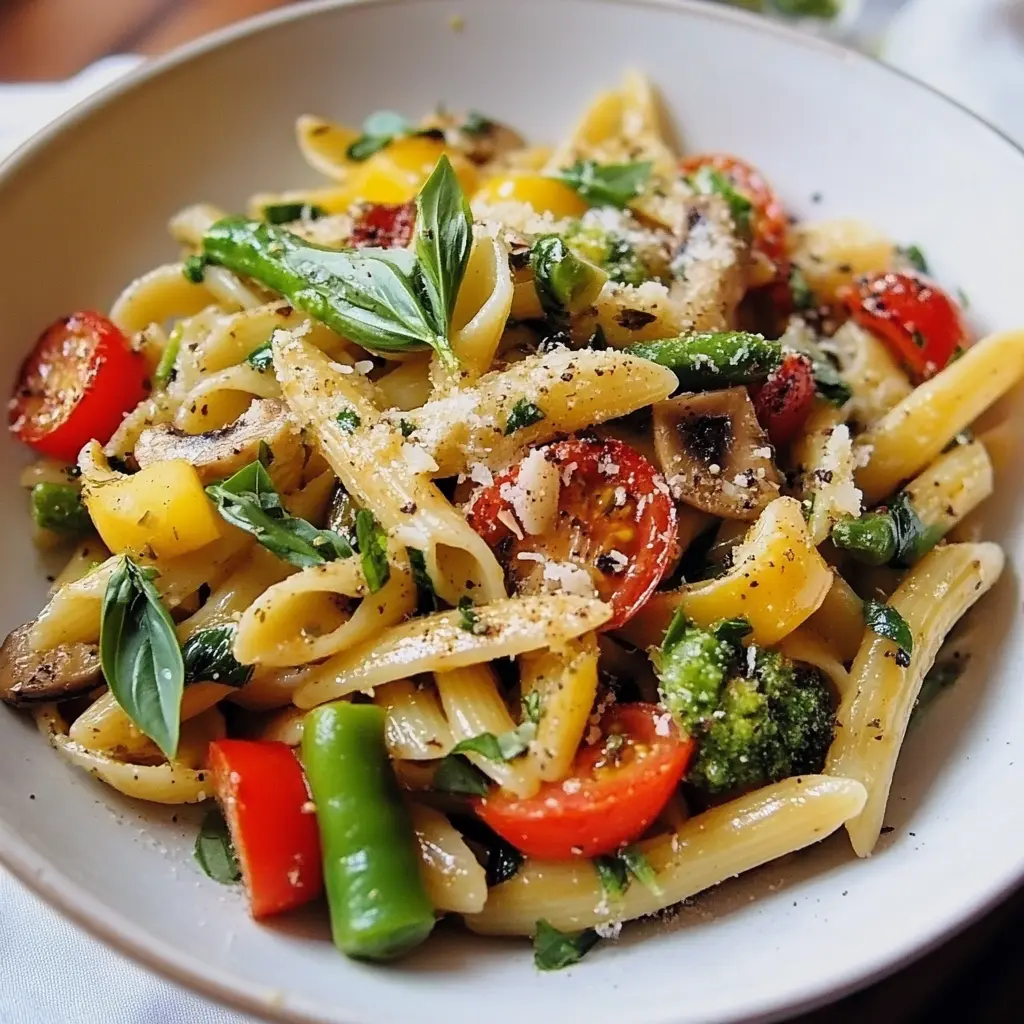
Pasta Primavera Recipe Easy Fresh and Irresistible
Ingredients
Method
- Fill a large pot with salted water and bring it to a rolling boil. Add the penne pasta and cook, stirring every so often, until it is tender, about 11 minutes. Drain the pasta thoroughly and return it to the pot.
- While the pasta cooks, warm olive oil in a large skillet over medium-high heat. Toss in the asparagus, yellow bell pepper, and broccoli, sautéing for 2 to 3 minutes with occasional stirring. Add zucchini and continue cooking for another 1 to 2 minutes until the vegetables are tender but still crisp. Season with salt and black pepper then transfer the cooked vegetables to a bowl.
- Return the skillet to the stove and melt the butter over medium heat. Sauté the minced shallot and garlic until fragrant and soft, about 2 minutes. Add lemon zest and vegetable broth; let the mixture simmer until the broth volume halves, which will take approximately 4 to 5 minutes. Stir in the heavy cream along with 2 tablespoons of lemon juice.
- Mix the frozen peas into the pot with the pasta followed by the sautéed vegetables. Pour the creamy lemon sauce over the pasta and veggies and combine everything gently. Add the shredded Parmesan cheese and the last tablespoon of lemon juice. Fold in the halved grape tomatoes and chopped basil. Adjust seasoning with salt and black pepper to your taste.
- Transfer the pasta primavera to a serving dish and top it with the Italian parsley, extra Parmesan, and a sprinkle of crushed red pepper flakes. Serve immediately while warm.
Notes
- Feel free to swap in other vegetables like mushrooms, yellow squash, artichoke hearts, carrots, spinach, or kale for variety. This recipe is versatile with pasta choices; opt for gluten-free pasta if needed. For extra protein, add chicken, shrimp, beans, or tofu. Store leftovers in an airtight container in the refrigerator for up to 5 days.
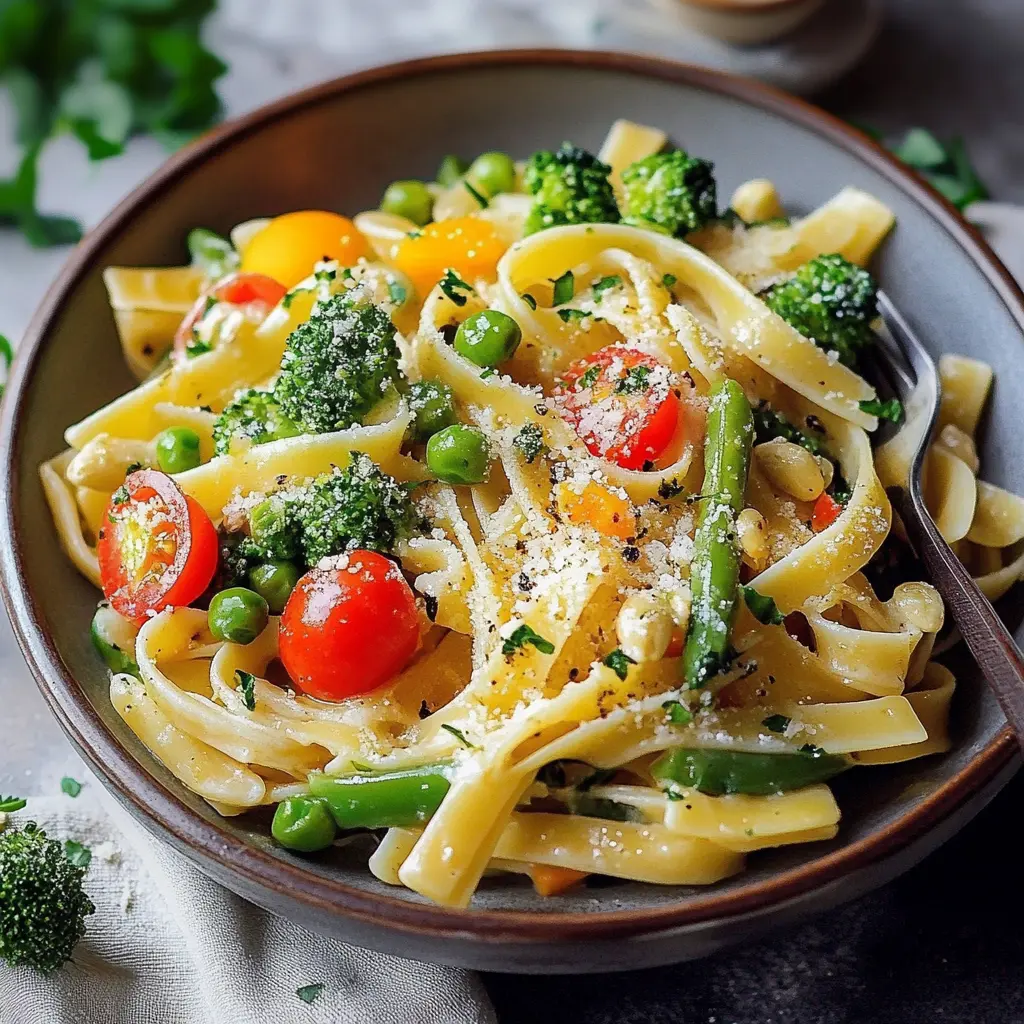
Why You’ll Love This Pasta Primavera
Spring on a platethat’s what this feels like. You get all the color and crunch of fresh vegetables without any fussy techniques or hard-to-find ingredients. The lemon cream sauce is just rich enough to feel indulgent but still lets the veggies shine through.
- Wholesome and satisfying: Packed with fiber-rich vegetables and just enough cream to make it feel like a treat
- Flexible and forgiving: Use what’s in your crisper drawerno strict rules here
- Family-friendly: Even picky eaters tend to go for pasta when it’s this colorful and garlicky
- Quick enough for weeknights: From start to finish in 35 minutes, including cleanup
Key Ingredients You’ll Need
Everything here is straightforwardno specialty store runs required. You’ll grab penne pasta, asparagus, bell pepper, broccoli, zucchini, and grape tomatoes for your veggie lineup. The sauce comes together with butter, shallot, garlic, lemon zest, vegetable broth, heavy cream, and Parmesan cheese. Frozen peas add a pop of sweetness, and fresh basil finishes it all off.
Pro Tip: If your shallot is large, use half. Shallots can be surprisingly potent, and you want garlic to share the spotlight.
How to Make It Step by Step
Start by boiling your pasta while you sauté the vegetables in a large skillet. Once the veggies are tender-crisp, set them aside and build the lemon cream sauce in the same panthis keeps cleanup easy and layers in all that good fond from the vegetables. After years of testing pasta dishes, I’ve learned that adding the peas directly to the drained pasta warms them gently without turning them musty or gray.
Toss everything together in your pasta pot, stir in the Parmesan and tomatoes last, and you’re done. The tomatoes stay juicy and bright when they’re folded in at the end instead of cooked down.
| Step | What to Do | Time |
|---|---|---|
| 1 | Boil pasta in salted water, drain, return to pot | 11 min |
| 2 | Sauté asparagus, peppers, broccoli; add zucchini, season, set aside | 3–5 min |
| 3 | Melt butter, cook shallot and garlic, add lemon zest and broth, reduce by half | 6–7 min |
| 4 | Stir in cream and lemon juice | 1 min |
| 5 | Add peas to pasta, fold in veggies and sauce, stir in Parmesan, tomatoes, basil | 2 min |
Smart Swaps and Tweaks
Out of penne? Farfalle, rigatoni, or even spaghetti work beautifully here. If you need this to be gluten-free, swap in your favorite gluten-free pasta and cook according to package directions. You can also make it dairy-free by using olive oil instead of butter and skipping the Parmesan, or stirring in nutritional yeast for a cheesy finish.
Want to add protein? Grilled chicken, sautéed shrimp, white beans, or crispy tofu all play nicely with the lemon and garlic. Just toss them in at the end so they stay tender.
| Ingredient | Easy Swap |
|---|---|
| Penne pasta | Farfalle, rigatoni, gluten-free pasta |
| Heavy cream | Half-and-half, coconut cream |
| Shallot | Small yellow onion or 2 scallions (white parts) |
| Frozen peas | Snap peas, edamame, or green beans |
| Parmesan cheese | Pecorino Romano, nutritional yeast |
Serving and Storing Tips
Serve this warm, straight from the pot, with extra Parmesan and a sprinkle of crushed red pepper flakes if you like a little heat. It’s wonderful alongside garlic bread or a simple green salad with lemon vinaigrette. Leftovers keep well in an airtight container in the fridge for up to five daysreheat gently on the stove with a splash of vegetable broth to bring back the creamy texture.
Note: The sauce may thicken as it sits. Just loosen it with a tablespoon or two of broth or pasta water when you reheat, and it’ll come right back to life.
Follow me on to unlock a world of flavorful recipes and creative food ideas Pinterest!
FAQs (Pasta Primavera)
What vegetables work best in Pasta Primavera?
Bell peppers, zucchini, broccoli, cherry tomatoes, and asparagus are ideal choices. These vegetables maintain their texture and color when cooked quickly. Choose seasonal vegetables for the freshest flavor and best results.
Can I use frozen vegetables for this recipe?
Fresh vegetables are preferred for the best texture and flavor. If using frozen, thaw and pat them completely dry first. Add frozen vegetables later in the cooking process to prevent overcooking and mushiness.
What type of pasta works best?
Penne, bow ties, or fettuccine work excellently as they hold the sauce well. Cook the pasta just until al dente since it will continue cooking slightly when tossed with the hot vegetables and sauce.
How do I prevent vegetables from becoming mushy?
Cut vegetables uniformly and cook them over medium-high heat for just 3-5 minutes. Add harder vegetables like broccoli first, then softer ones like tomatoes last. The key is maintaining a slight crunch for texture.
Can this dish be made ahead of time?
This meal is best served immediately for optimal texture and flavor. If you must make it ahead, slightly undercook the vegetables and store separately from the pasta. Reheat gently and combine just before serving.
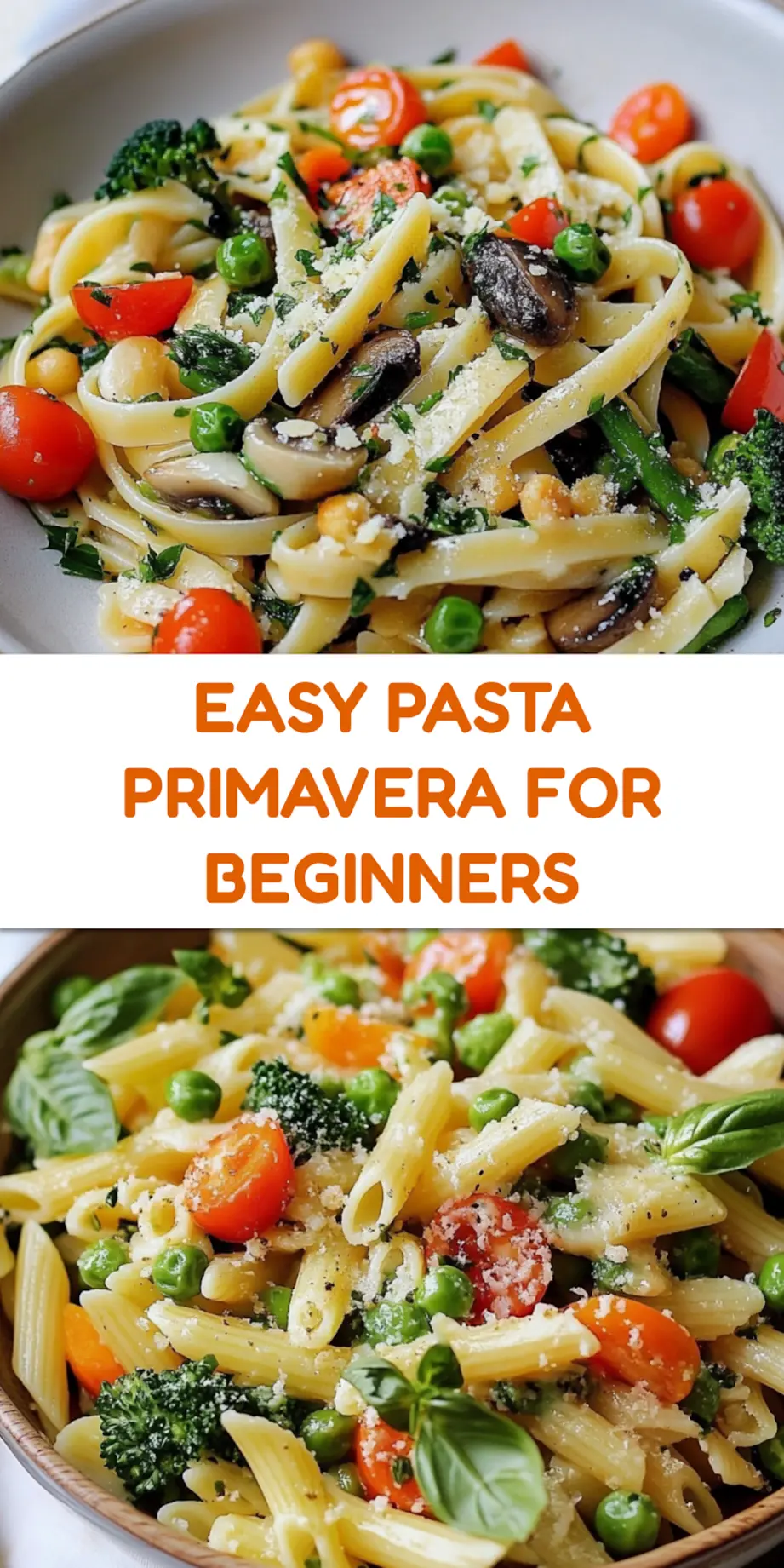
You’ll love how this Pasta Primavera comes together in just 35 minutes with crisp vegetables and a silky lemon cream sauce that clings to every bite. The garlic and Parmesan melt into something quietly magicalcomforting but never heavy. It’s the kind of dinner that makes everyone reach for seconds.
If you want a little more richness, stir in an extra handful of Parmesan at the end. A drizzle of good olive oil right before serving adds a lovely shine. Leftovers taste wonderful cold straight from the fridgeI learned that trick during a busy week when reheating felt like too much effort.
I’d love to hear what vegetables you toss in or if this reminds you of a spring dinner from years ago. Share a photo if you make it, or tuck this recipe away for someone who needs a bright, easy meal. There’s always room at the table for more color and warmth.