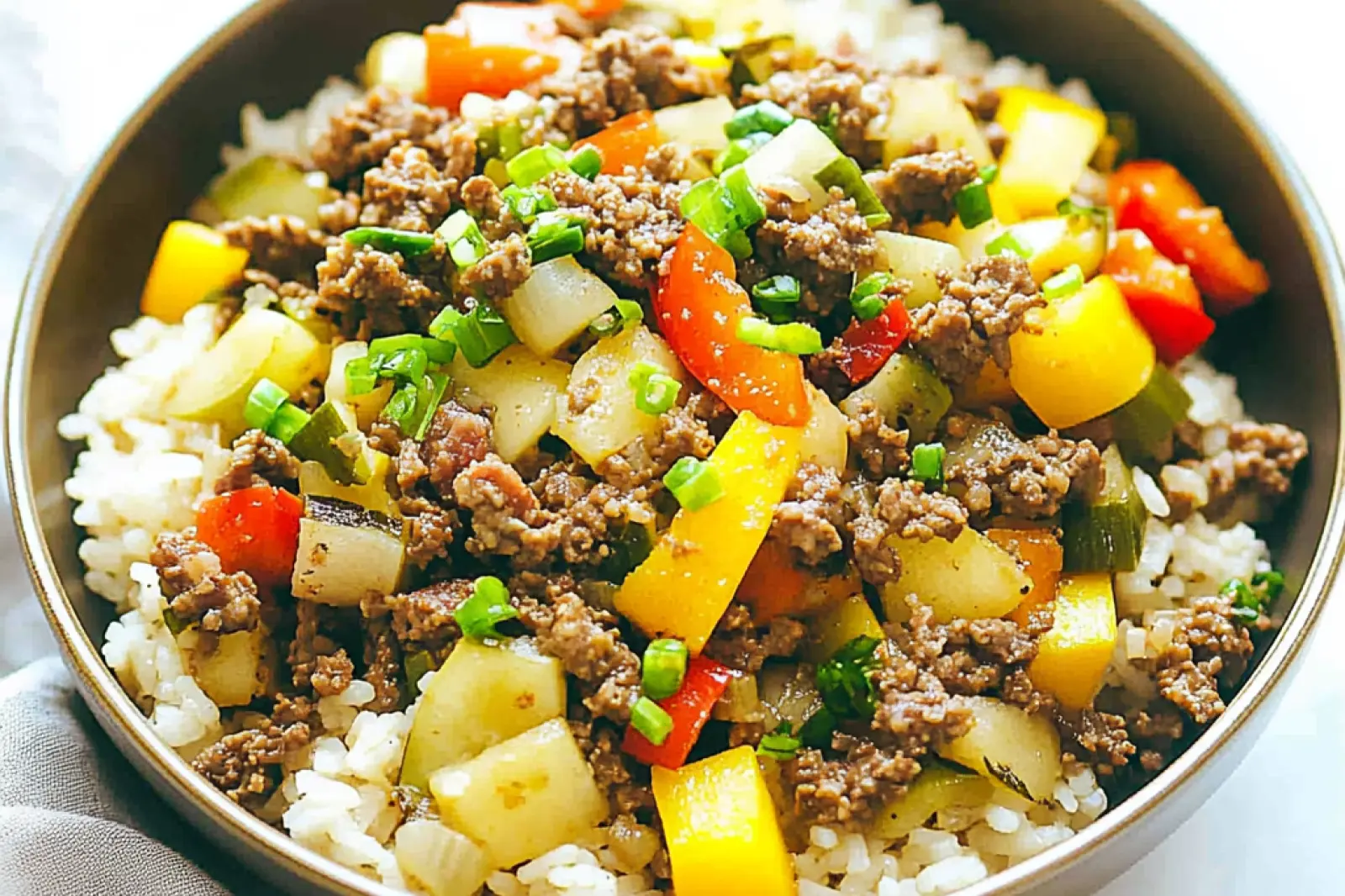

Korean Ground Beef Rice Bowl is what happens when you crave something savory, a little sweet, and completely satisfyingwithout turning on the oven or dirtying five pans. The gochujang brings warmth, the sesame oil adds richness, and the whole thing comes together in one skillet.
I started making this back in 2019 when my test kitchen shifts left me too tired to think through dinner. The saucesoy, brown sugar, garlic, and gochujangdoes all the heavy lifting, and the beef cooks in under ten minutes. It’s the kind of easy win that makes weeknights feel manageable again, especially now that spring has me wanting something lighter but still cozy.
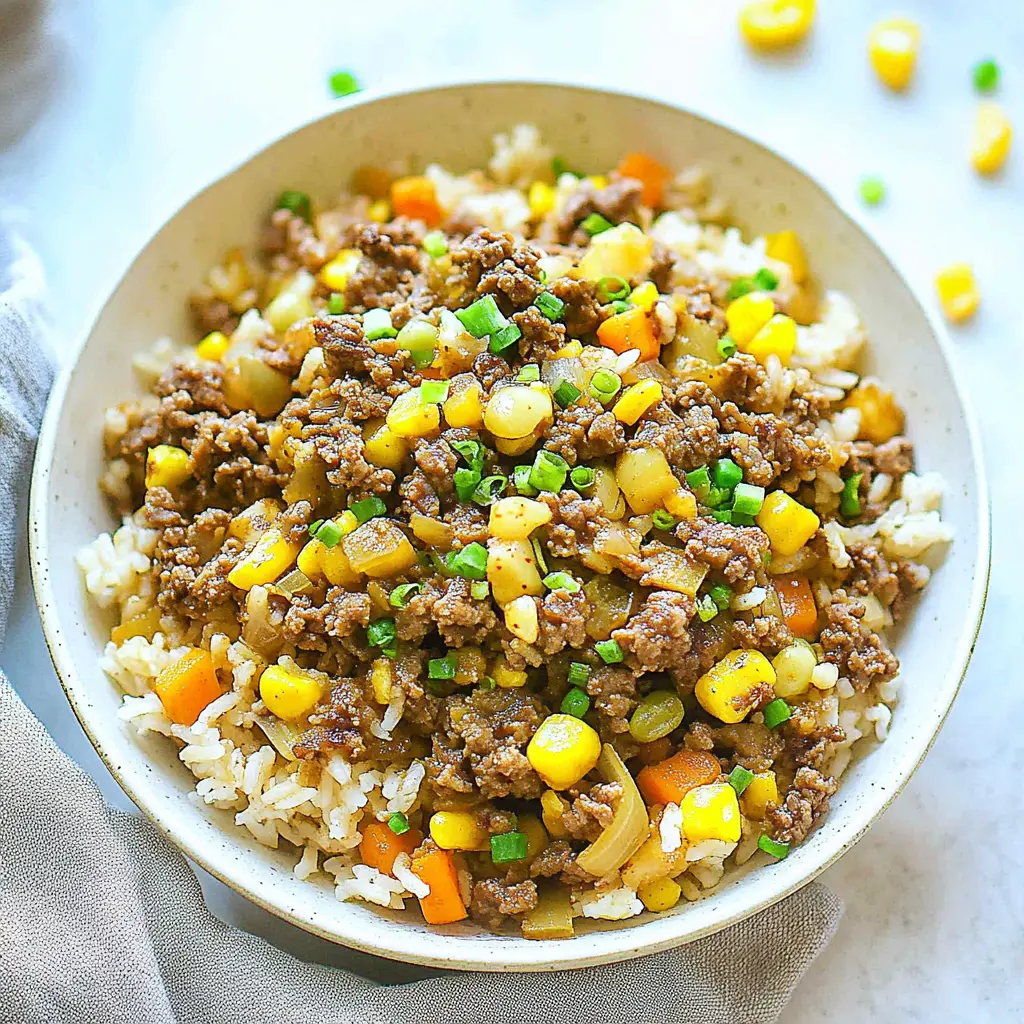
Korean Ground Beef Rice Bowl Spring Fresh and Vibrant
Ingredients
Method
- Prepare the rice according to package guidelines; I prefer using Instant Pot brown or basmati rice.
- As the rice cooks, heat a wok or large non-stick skillet over medium heat and add the ground beef, breaking it apart and stirring continuously for about 5-7 minutes until browned. Drain excess fat.
- When the beef is nearly cooked, mix in the diced onion, minced ginger, and garlic, cooking together for 2-3 minutes with occasional stirring. Transfer the beef to a plate and set aside.
- Add oil to the empty skillet, then toss in the diced bell pepper, sautéing for approximately 3 minutes while stirring occasionally.
- Throw in the zucchini, eggplant, and tomato (if using), and continue sautéing for another 5 minutes, stirring from time to time.
- Pour in the soy sauce, rice vinegar, maple syrup or honey, ground black pepper, and red pepper flakes. Stir well and cook for 1 more minute.
- Return the cooked beef to the pan and combine everything thoroughly. Turn off the heat, sprinkle with chopped green onions, and stir once more.
- Fluff the cooked rice with a fork and serve it topped with the flavorful Korean ground beef and vegetable mixture.
Notes
- Store leftovers separately: keep the beef and vegetables apart from the rice in airtight containers in the refrigerator for up to 5 days to prevent sogginess. Reheat gently in a skillet with a little water or broth, covering and stirring occasionally.
- Do not freeze if zucchini is included, but sturdier veggies like broccoli, cauliflower, or eggplant can be frozen in airtight containers for up to 3 months. Thaw overnight in the fridge.
- You can substitute other firm vegetables such as cabbage or broccoli as per availability.
- The tomato is optional; it offers a juicy freshness balancing the cooked vegetables.
- If fresh garlic or ginger are unavailable, use 1 tsp garlic powder and 1/2 tsp ground ginger as substitutes.
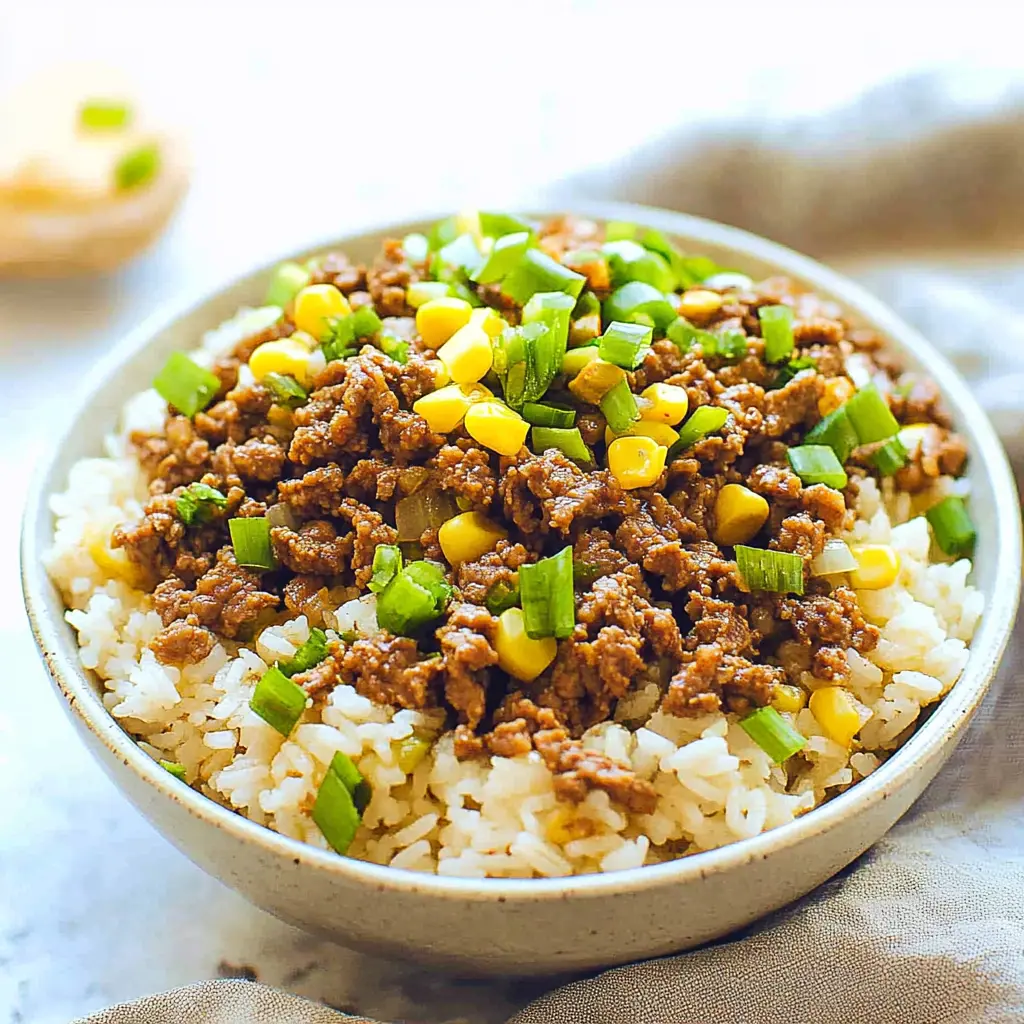
Why You’ll Love This Korean Ground Beef Rice Bowl
This is the kind of dinner that pulls together fast but still feels intentional. The saucesoy sauce, maple syrup, rice vinegar, and a hint of gingerturns simple ground beef into something rich and savory-sweet. You’ll have everything ready in about 30 minutes, most of it hands-off while the rice cooks.
- One skillet does the work: Brown the beef, sauté the vegetables, build the sauce, and you’re done.
- Loaded with vegetables: Bell pepper, zucchini, eggplant, and tomato add color, texture, and freshness without extra effort.
- Pantry-friendly ingredients: Everything you need is probably already in your kitchen or easy to grab at any grocery store.
- Perfect for busy weeknights: When you’re tired and still want dinner to feel like dinner, this one delivers without fuss or heavy cleanup.
What You’ll Need
The beauty here is in the balance. Fresh ginger and garlic bring warmth, soy sauce adds depth, and maple syrup rounds out the savory notes with just enough sweetness. Ground beef cooks quickly and soaks up all that flavor, while the vegetables stay tender but not mushy.
You’ll also want a good-sized skillet or woksomething with enough room to sauté the veggies without crowding. If you don’t have fresh ginger on hand, ground ginger works in a pinch, though the fresh stuff really does make a difference.
| Ingredient | Easy Swap |
|---|---|
| Fresh ginger | 1 tsp ground ginger |
| Fresh garlic | 1 tsp garlic powder |
| Maple syrup | Honey |
| Zucchini or eggplant | Broccoli, cauliflower, or cabbage |
| Soy sauce | Coconut aminos or tamari |
How to Make It
Start your rice firstwhether it’s brown rice in the Instant Pot or stovetop basmati, get it going so everything finishes around the same time. While that cooks, brown the ground beef in a preheated skillet, breaking it into small pieces as it cooks. After about five minutes, toss in the onion, ginger, and garlic, and let everything cook together for a couple more minutes until fragrant.
Remove the beef mixture to a plate, then add a drizzle of oil to the same skillet. Sauté the bell pepper for three minutes, then add the zucchini, eggplant, and tomato. Let them soften for another five minutes, stirring occasionally. Pour in the soy sauce, rice vinegar, maple syrup, black pepper, and red pepper flakes, stir everything together, then return the beef to the pan. Turn off the heat, sprinkle with green onion, and give it one last stir.
Pro Tip: Don’t skip draining the fat after browning the beefit keeps the sauce from getting greasy and lets the flavors stay clean and bright.
Serving and Storage Tips
Fluff your rice with a fork and spoon the beef and vegetable mixture right over the top. The sauce soaks into the grains just enough without turning them mushy. If you’re serving this for a crowd, set out small bowls of extra green onion, sesame seeds, or a drizzle of sesame oil for topping.
Leftovers store beautifully for up to five daysjust keep the beef and veggies separate from the rice so the grain doesn’t soak up all the sauce. Reheat gently in a skillet with a splash of water, covered, stirring now and then until warmed through.
| Storage Method | Details |
|---|---|
| Refrigerate | Store beef mix and rice separately in airtight containers, up to 5 days |
| Reheat | Skillet on low with a splash of water or broth, covered, stirring occasionally |
| Freeze | Only if using sturdy veggies like eggplant, broccoli, or cauliflowerno zucchini. Freeze up to 3 months, thaw overnight in fridge |
Note: If your bowl included zucchini, skip freezingit gets watery when thawed. But if you swapped in broccoli or cauliflower, you’re good to go.
Follow me on to unlock a world of flavorful recipes and creative food ideas Pinterest!
FAQs (Korean Ground Beef Rice Bowl Spring)
What type of ground beef works best for this recipe?
80/20 ground beef provides the perfect balance of flavor and moisture without being too greasy. The fat content keeps the meat tender while still allowing excess oil to drain. Leaner options like 90/10 work too but may result in slightly drier meat.
Can I substitute the sesame oil in this dish?
While sesame oil adds authentic Korean flavor, you can use vegetable oil or olive oil as substitutes. The dish will still taste great but will miss that distinctive nutty aroma. Add a sprinkle of toasted sesame seeds at the end for similar flavor notes.
How long does this meal keep in the refrigerator?
Store leftovers in the refrigerator for up to 4 days in airtight containers. Keep the rice and beef mixture separate if possible to maintain better texture. Reheat in the microwave for 1-2 minutes, stirring halfway through for even heating.
What vegetables pair well with this rice bowl?
Fresh cucumber slices, steamed broccoli, or sauteed bell peppers complement the savory beef perfectly. Quick-pickled carrots or radishes add a tangy crunch that balances the rich flavors. Blanched spinach is also traditional and nutritious.
Can I make this recipe spicier?
Absolutely! Add 1-2 teaspoons of gochujang or sriracha while cooking the beef for Korean heat. Red pepper flakes work well too – start with 1/4 teaspoon and adjust to taste. Fresh sliced jalapenos on top provide a fresh kick.

Korean Ground Beef Rice Bowl comes together in about 30 minutes and delivers savory, sweet comfort in every bite. You’ll love how the beef soaks up that ginger-soy sauce, especially when it settles into warm rice with those tender spring vegetables. It’s the kind of dinner that makes you feel accomplished without draining your energybright, filling, and totally satisfying.
A trick I learned from testing this recipe dozens of times: add the green onion at the very end so it stays fresh and bright, not wilted. If you want a little extra heat, stir in a pinch more red pepper flakes or drizzle with chili oil before serving. Leftovers taste even better the next day once the flavors meld togetherjust reheat gently in a covered skillet with a splash of water to bring back that silky texture. Swap the vegetables based on what’s in your crisper drawer; snap peas, broccoli, or shredded cabbage all work beautifully here.
I’d love to know how this turned out in your kitchendid you add your own twist or serve it with a favorite side? Snap a photo and share it, or save this recipe to make again when you need something quick but cozy. Some nights just need an easy dinner that still feels like home.