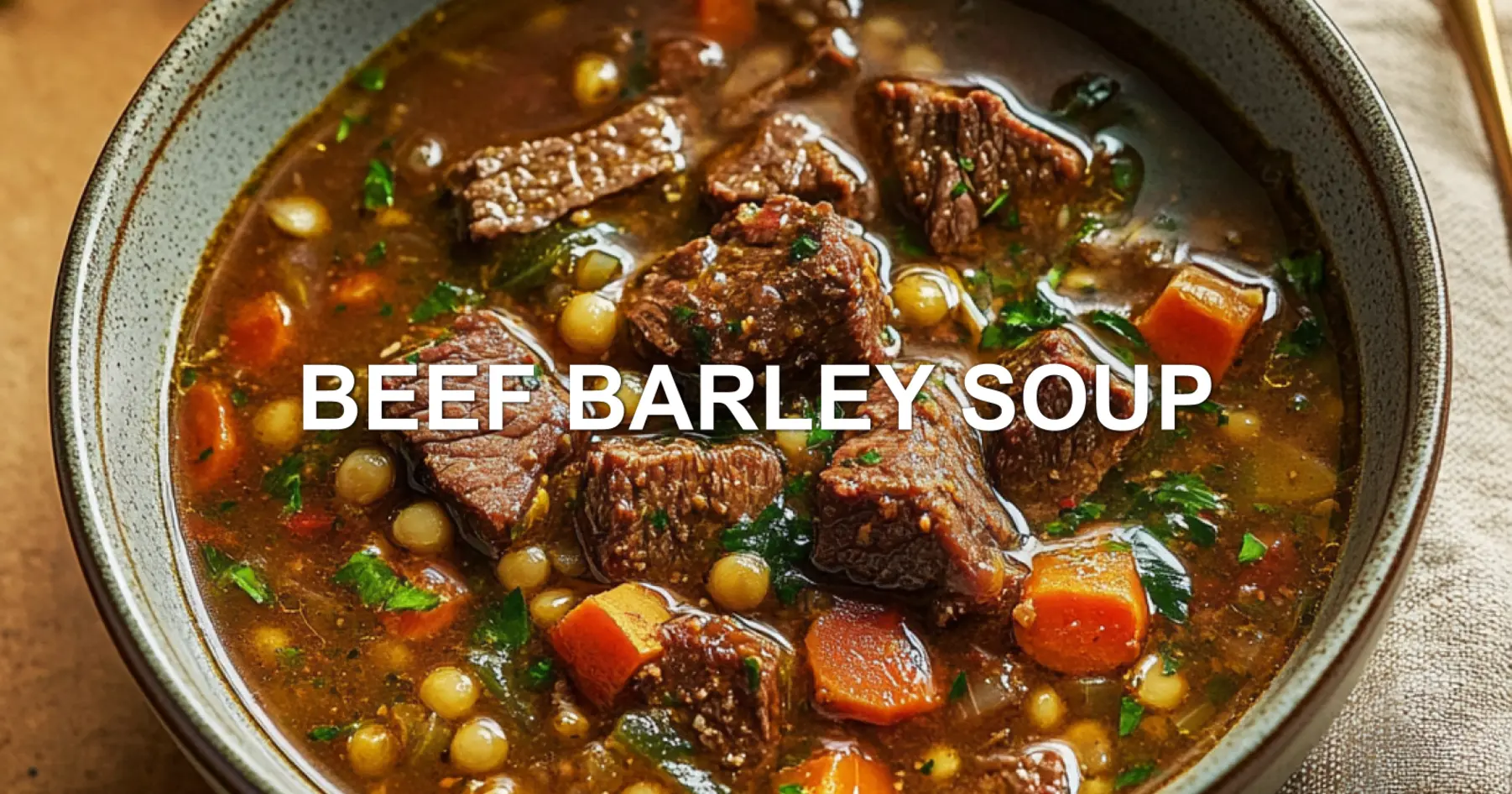
There’s something about the smell of beef simmering low and slow with onions and celery that just takes you right back to your grandma’s kitchen on a cold Saturday afternoon. This Beef Barley Soup is the kind of meal that wraps you up from the inside out, and it’s been showing up in kitchens everywhere this season for good reason.
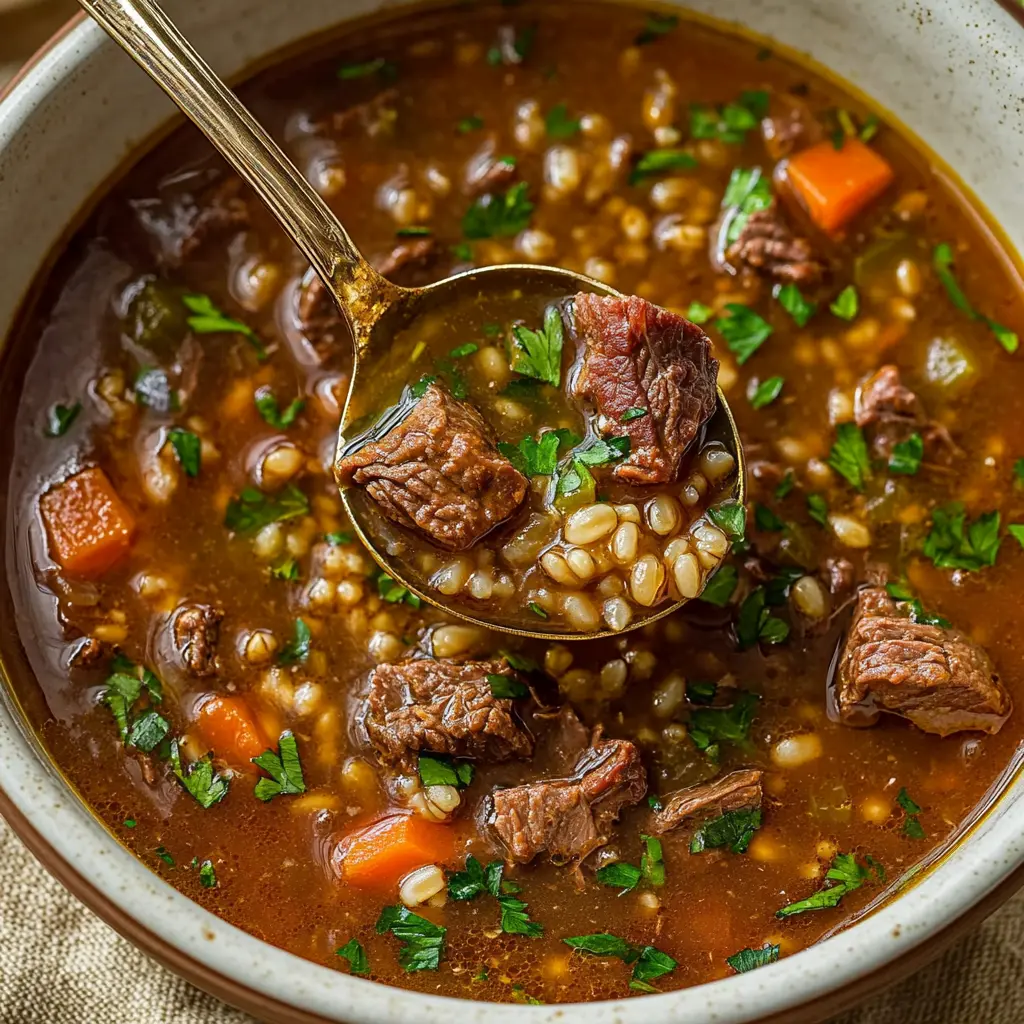
Think tender chunks of beef, chewy pearl barley, and a rich broth loaded with carrots, celery, and herbs. It all comes together in one pot using ingredients you can grab at any grocery store. No fancy cuts of meat neededchuck roast or stew beef work beautifully. The barley soaks up all that beefy flavor and turns the soup thick and hearty without any cream or flour.
Started making big pots of this back in 2015 when I was sourcing local beef at Texas farmers’ markets for recipe testing. My neighbor tasted it straight from the stove and said it reminded her of her mom’s Sunday suppers. The trick I picked up? Brown the beef in batches so it actually caramelizes instead of steaming. Makes all the difference in the final flavor.
This hearty Beef Barley Soup is a warm and satisfying homemade favorite that combines tender beef, wholesome pearled barley, and fresh vegetables. Perfect for family meals, it delivers rich flavors and nourishing comfort in every bowl.
2 pounds (1 kg) boneless beef chuck roast cut into 1 1/2–inch steaks or 3 pounds (1.3 kg) bone-in beef short ribs ribs removed and reserved
Kosher salt and freshly ground black pepper
1 tablespoon (15 ml) canola oil
3 large carrots (10 ounces; 280 g) diced
1 large yellow onion (12 ounces; 340 g) diced
2 ribs celery (6 ounces; 170 g)
4 medium cloves garlic roughly chopped
3 quarts (3 L) homemade or store-bought chicken stock
Sachet of 2 sprigs fresh thyme 1 bay leaf and about 5 whole black peppercorns
1 cup pearled barley (7 ounces; 200 g)
1/2 teaspoon (3 ml) Asian fish sauce (optional)
Minced fresh parsley for garnish
Method
Season the beef generously with salt and pepper.
Heat the canola oil in a large Dutch oven or heavy pot over high heat until it begins to shimmer.
Add the beef in batches, browning each side well, about 5 minutes per side, then set aside.
Add carrots, onion, celery, and garlic to the hot pot and cook, stirring often and scraping the pan to loosen browned bits, until the vegetables begin to brown, about 6 minutes.
Transfer the cooked vegetables to a heatproof bowl and set aside.
Pour in the chicken stock, bring to a boil, and scrape the bottom of the pot to lift any flavorful residue.
Cut the browned beef into chunks and return to the pot along with any reserved bones and the herb sachet.
Lower the heat to a gentle simmer, cover partially, and cook until the beef is tender, between 1 and 2 hours, skimming off foam as needed.
Remove and discard the bones and herb sachet from the pot.
Add the pearl barley, reserved vegetables, and fish sauce if using; continue to simmer until barley and vegetables are fully tender, about 30 minutes.
Adjust the seasoning with salt and pepper to taste.
If the soup is too thick, add water gradually to reach your preferred consistency.
Serve piping hot garnished with freshly minced parsley.
Notes
For added depth, use homemade chicken stock if available. Fish sauce is optional but adds a subtle umami boost. Leftovers taste even better the next day and can be refrigerated for up to 3 days or frozen for longer storage.
Why You’ll Love This Beef Barley Soup
This soup is everything you want when the weather turns cold and you need something that sticks to your ribs. The beef gets so tender it practically falls apart on your spoon, and the barley adds this wonderful chewy texture that soaks up every bit of that rich broth. It’s the kind of meal that makes your whole house smell like comfort.
One-pot wonder: Everything cooks together in your Dutch oven, which means less cleanup and more time curled up with a bowl and a blanket.
Budget-friendly: Chuck roast is affordable and turns melt-in-your-mouth tender with slow simmeringno fancy cuts needed here.
Freezer-friendly: This makes a big batch (3 quarts!), so you can freeze half for those nights when cooking from scratch just isn’t happening.
Real food, real ingredients: Carrots, celery, onions, garliceverything you probably already have in your kitchen, plus pearl barley from the grain aisle.
What You’ll Need (and Where to Find It)
The ingredient list here is beautifully straightforward. Most of it you can grab during your regular grocery run, and the pearl barley usually lives near the rice and dried beans. If you’ve never cooked with barley before, don’t worryit’s as easy as adding pasta, just needs a little more time to get tender and chewy.
The beef: Look for boneless chuck roast and ask the butcher to cut it into thick steaks if it’s not already done. You can also use bone-in short ribs if you want even deeper flavorthose bones add so much richness to the broth. Either way, you’re going to brown it first, which is where all that deep, savory flavor starts.
The barley: Pearl barley is what you want here. It’s had the outer hull removed, so it cooks faster than hulled barley and gets wonderfully plump and tender. You’ll find it in the dried goods section, usually in a small bag or bulk bin.
Ingredient
What It Does
Easy Swap
Boneless chuck roast
Gets tender and flavorful with slow cooking
Bone-in short ribs for richer broth
Pearl barley
Adds heartiness and absorbs all the broth flavor
Farro or wild rice (adjust cook time)
Chicken stock
Creates a lighter, more balanced base than beef stock
Beef stock for deeper flavor
Fish sauce
Adds subtle umami depth (totally optional)
Soy sauce or Worcestershire
How It All Comes Together
The magic in this recipe happens in stages, and each one builds flavor. You’re not just throwing everything in a pot and hoping for the bestthough honestly, this is pretty forgiving even if you’re new to soup-making. The key is browning the beef really well at the start. That caramelization on the meat creates all those deep, savory flavors that make this soup taste like it’s been simmering at grandma’s house all day.
Step one: Brown the beef in batches. Don’t crowd the pot or it’ll steam instead of sear. You want those golden-brown crusty bits on the meat and stuck to the bottom of the potthat’s flavor gold.
Step two: Sauté your vegetables in the same pot. The carrots, onion, celery, and garlic get a quick cook in all those beefy drippings, picking up flavor and adding their own sweetness. Scrape up any stuck-on bits while you stirthat’s called deglazing, and it’s where the magic lives.
Step three: Simmer the beef low and slow. Add your stock, the browned beef chunks, bones if you’re using them, and your herb sachet. Let it all bubble gently for 1 to 2 hours until the beef is fork-tender. Skim off any foam that floats upit keeps your broth clear and clean-tasting.
Step four: Add the barley and vegetables back in. Once the beef is tender, toss in your pearl barley and the reserved sautéed vegetables. Simmer for another 30 minutes until the barley is plump and chewy. Taste and adjust your seasoning, and you’re done.
Step
Time
What’s Happening
Brown beef
10–15 mins
Building deep flavor with caramelization
Sauté vegetables
6 mins
Adding sweetness and scraping up browned bits
Simmer beef
1–2 hours
Beef becomes fork-tender, broth develops richness
Cook barley & veg
30 mins
Barley plumps up, vegetables soften, flavors meld
Tips and Tweaks That Make a Difference
This soup is pretty flexible once you understand the basics. Here are a few things I’ve learned from making big pots of this over the years, especially during Texas winters when the farmers’ market beef was at its best.
Don’t skip the browning: Seriously, this is where the flavor starts. If your beef looks grey instead of golden-brown, your heat wasn’t high enough or your pot was too crowded.
Use chicken stock, not beef: It sounds backwards, but chicken stock lets the beef flavor shine through without getting too heavy or muddy. Beef stock can make it taste one-note.
Make an herb sachet: Tie your thyme sprigs, bay leaf, and peppercorns in a little cheesecloth bundle or toss them in a tea ball. Makes them way easier to fish out later.
Add fish sauce if you have it: Just half a teaspoon adds this subtle savory depth that you can’t quite put your finger on. It’s not fishy at allpromise.
Adjust thickness with water: Barley keeps absorbing liquid as it sits, so if your soup gets too thick (especially the next day), just add a splash of water when you reheat.
Pro Tip: If you’re using bone-in short ribs, remove the bones before serving but definitely keep them in during cooking. They add so much body and richness to the broth that you just can’t get from boneless meat alone.
Serving and Storing Your Soup
This makes a generous 3 quarts, which is about 12 hearty servings. Perfect for feeding a crowd, or for stashing away meals for later. I like to serve it with crusty bread for dipping and a simple green salad on the side. The parsley garnish isn’t just for looksit adds a fresh, bright note that balances all that rich, savory goodness.
Storage: Let the soup cool completely, then transfer to airtight containers. It’ll keep in the fridge for up to 5 days, and the flavors actually get better as it sits. The barley will keep absorbing liquid, so you might need to add a splash of water or stock when you reheat.
Freezing: This freezes beautifully for up to 3 months. I like to freeze it in quart-size containers so I can thaw just what I need. Thaw overnight in the fridge, then reheat gently on the stove. Add a little water if it’s gotten too thick.
Storage Method
How Long
Best Practice
Refrigerator
Up to 5 days
Store in airtight containers; add water when reheating
Freezer
Up to 3 months
Use quart containers; thaw in fridge overnight
Reheating
Stovetop over medium-low, stirring occasionally
What Makes This Soup So Satisfying
Beef barley soup is a nutritional powerhouse that combines complete protein from beef with barley’s soluble fiber, which helps stabilize blood sugar and promotes lasting fullness. The long simmering time breaks down collagen in tougher beef cuts into gelatin, creating that signature rich, silky broth while making the meat incredibly tender.
For more delicious recipes and cooking inspiration, follow me on Facebook, Pinterest and Reddit!
How I Finally Got My Beef Barley Soup Just Right
This Beef Barley Soup took me three winters to perfect. The first time, I added the barley too early and it turned mushy. Then I learned to brown the beef properly and let everything simmer low and slow. Now it’s the recipe I reach for every cold evening.
FAQs ( Beef Barley Soup )
Can I use quick-cooking barley instead of pearl barley?
Yes, but adjust the cooking time to about 10-12 minutes instead of the full simmering time. Quick-cooking barley is pre-steamed and will turn mushy if overcooked. Add it during the last 15 minutes of cooking for best texture.
What cut of beef works best for this soup?
Chuck roast is ideal because it becomes tender during the long simmer and adds rich flavor. Stew meat also works well since it’s already cubed. Avoid lean cuts like sirloin as they can become tough and dry in this recipe.
How long does this soup last in the refrigerator?
This dish stays fresh for 4-5 days in an airtight container in the fridge. The barley will continue to absorb liquid, so you may need to add broth when reheating. It also freezes beautifully for up to 3 months.
Can I make this in a slow cooker or Instant Pot?
Absolutely! For a slow cooker, brown the beef first, then cook on low for 7-8 hours. In an Instant Pot, use the saute function for browning, then pressure cook on high for 25 minutes with natural release.
Why is my barley still hard after cooking?
Old barley takes longer to soften, sometimes up to 60 minutes of simmering. Make sure there’s enough liquid in the pot and keep it at a steady simmer, not just a gentle bubble. If still firm, continue cooking and add more broth as needed.
Conclusion
This Beef Barley Soup takes about two and a half hours start to finish, but most of that is just gentle simmering while you go about your day. You’ll love how the beef turns fall-apart tender and the barley soaks up all that rich, beefy broth into something thick and deeply satisfying.
Try tossing in a handful of chopped kale or spinach during the last five minutes if you want extra greens. Leftover roast beef works beautifully here toojust skip the browning step and add it with the barley. A little splash of red wine vinegar at the end brightens everything up, something I picked up from countless bowls at Texas supper tables.
I’d love to hear if this reminds you of someone’s kitchen growing up, or if you put your own spin on it. Snap a photo and share it, or tuck this recipe away for someone who needs a warm hug in a bowl. Happy cooking, friend.
With a passion for wholesome cooking inspired by family traditions, I create healthy, simple recipes focused on sourdough, shrimp, chicken, and balanced meals for everyday wellness.
Every recipe here is tested in my kitchen using U.S. measurements and easy-to-find ingredients, so you can cook confidently.
Thank you for joining this cozy community where nutritious and delicious meals come together.