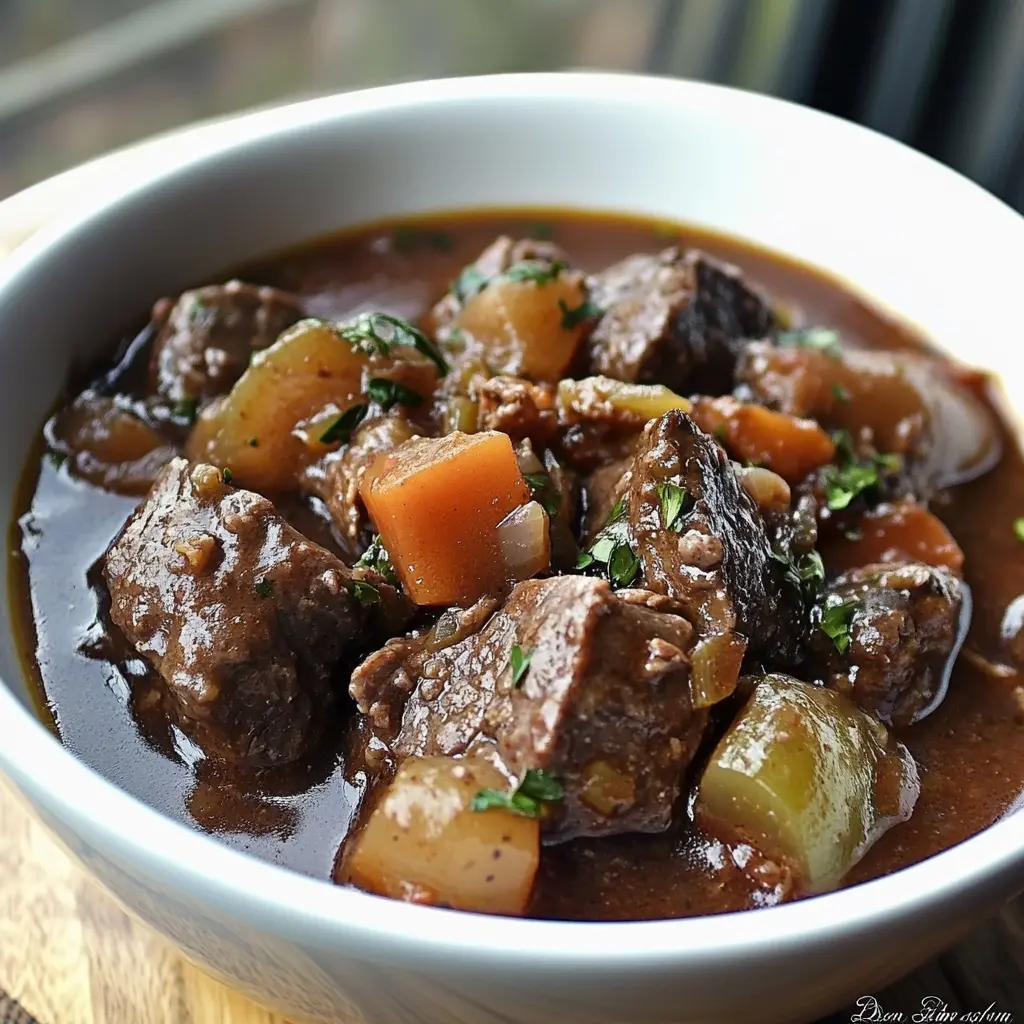
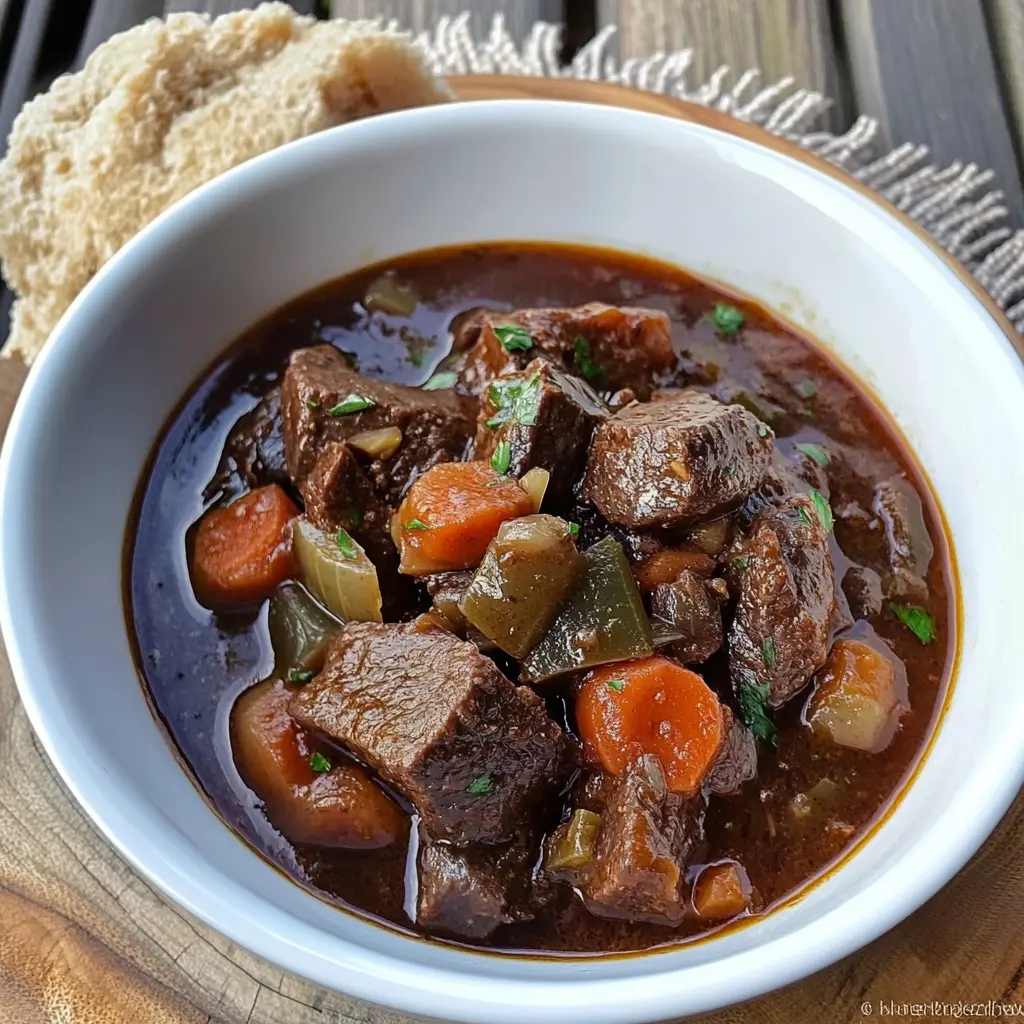
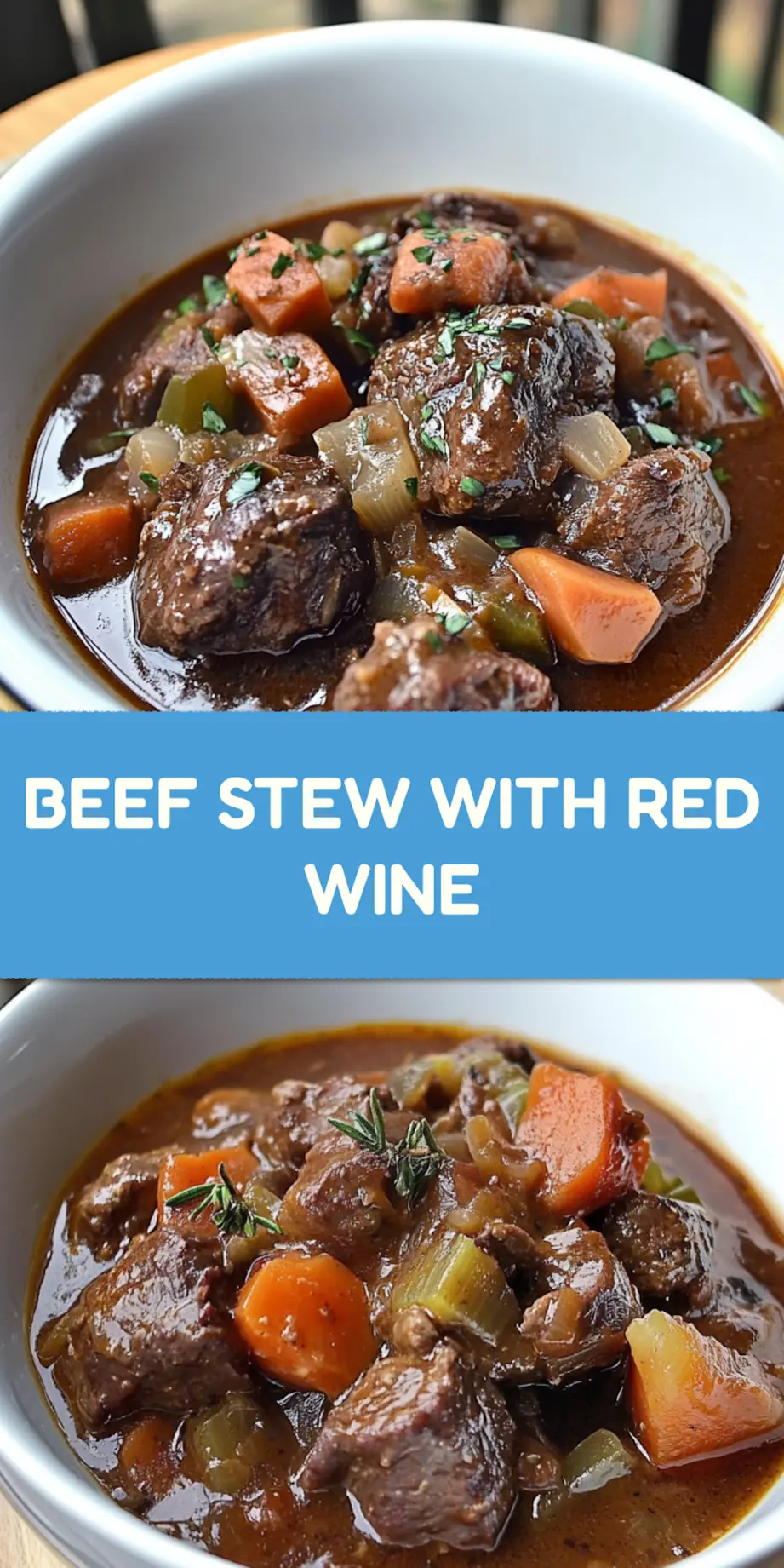
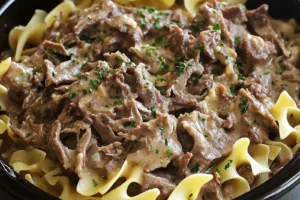
There’s something about the way a beef stew with red wine fills the kitchen with that deep, slow-cooked smelllike warmth you can actually breathe in. It’s the kind of dish that turns a cold evening into something you want to stretch out and savor, the kind where everyone lingers at the table a little longer.
I started making this back in 2019 after a weekend spent wandering farmers’ markets with my aunt, watching her pick out chuck roast like she was choosing fabric for a quilt. She taught me to brown the meat until it almost stuck, then deglaze with wine so all those caramelized bits became part of the saucethat’s where the magic hides. After a decade of testing stews in my own kitchen, I can tell you this one’s built on real technique and ingredients you can actually find on a Tuesday grocery run.
Yesica Andrews
Best Beef Stew with Red Wine Recipe You Need Now
This hearty Beef Stew with Red Wine is a comforting main course perfect for slow simmering on the stove top. Featuring tender stewing beef, aromatic vegetables, and a rich red wine-infused broth, it delivers deep flavors that melt in your mouth. Ideal for making ahead and freezing, this stew is the ultimate comfort food for busy days.
Place the beef pieces in a bowl or plastic bag and sprinkle with flour and a few grinds of pepper; toss to coat evenly but lightly.
Heat the cooking oil in a large Dutch oven over medium-high heat and brown the beef in batches, ensuring not to crowd the pan; turn pieces to brown all sides, about five minutes per batch, then transfer to a plate.
Reduce the heat to medium and add onions, garlic, red chili pepper, leek, celery, carrots, and dried thyme (if using); cook and stir for a couple of minutes to loosen the browned bits on the bottom.
Pour in the red wine to deglaze the pan, scraping up all flavorful residues.
Return the browned beef to the pot along with any juices; add the beef stock, diced tomatoes, kosher salt, and freshly ground pepper; stir well.
Cover the pot, bring the mixture to a gentle boil over medium heat, then immediately reduce the heat to low to maintain a slow simmer.
Sprinkle fresh thyme (if using) and fresh parsley over the stew; add the bay leaf and cover the pot again.
Let the stew simmer gently for approximately two hours, stirring occasionally to prevent sticking.
Taste and adjust seasoning 15 to 20 minutes before serving to ensure balanced flavors.
Serve the stew hot over plain boiled potatoes for a simple, rustic meal.
Notes
If you don’t have leeks, you can substitute with an additional half cup of diced onions. This stew freezes well in portions, making it great to prepare ahead for busy days.
Why You’ll Love This Cozy Bowl
This is the kind of meal that makes the whole house smell like a Sunday afternoon, even if it’s Tuesday. The red wine deepens everythingthe broth turns this gorgeous mahogany color, and the beef practically falls apart when you poke it with a fork.
It’s freezer-friendly: Make a double batch and stash portions for those nights when you need comfort in a hurry.
Minimal fussing: After the initial prep, it just simmers away while you fold laundry or catch up on your favorite show.
Simple ingredients: Everything here is the kind of stuff you can grab on a regular grocery runno specialty store required.
Rustic and forgiving: If your carrots are cut a little uneven or you’re short on leeks, it still turns out beautifully.
The Key Players in Your Pot
You’re working with humble, honest ingredients that transform into something really special. The stewing beef gets tender and rich after its long simmer, while the vegetablesonions, leeks, celery, carrotsbuild layers of flavor you just can’t rush.
The red wine and beef stock create that deep, savory base, and fresh thyme and parsley bring a brightness that keeps it from feeling too heavy. One small red chili pepper adds just a whisper of warmth in the background, not heat. And that bay leaf? It’s like the secret handshake of slow-cooked comfort food.
Note: If you can’t find leeks or don’t want to make an extra trip, add another half cup of diced onion. It’ll still be delicious.
How the Magic Happens
The secret to a really good beef stew with red wine is in the browning. Toss your beef chunks with flour and pepper, then sear them in hot oil until they release from the panthat’s when you know they’re ready to flip. Those caramelized bits stuck to the bottom? That’s flavor waiting to happen.
Once the beef is browned and set aside, you’ll sauté your vegetables briefly, then pour in the red wine to scrape up all those stuck-on treasures. Everything goes back into the pot with the stock and tomatoes, then it’s just a matter of letting time do its thing. After a couple of hours of gentle simmering, you’ll have fork-tender beef and a broth that tastes like it took way more effort than it actually did.
Step
What to Do
Time
Coat & Brown Beef
Toss beef with flour, brown in batches until golden
10–15 mins
Sauté Vegetables
Cook onions, leeks, celery, carrots, garlic, chili pepper
3–5 mins
Deglaze & Simmer
Add wine, stock, tomatoes; bring to boil then simmer covered
2 hours
Finish & Taste
Stir in herbs, adjust seasoning before serving
5 mins
Simple Swaps and Tweaks
One of the best things about this recipe is how well it bends to what you have on hand. Out of fresh thyme? Dried works just as wellI keep both in my pantry for exactly this reason. Frozen tomatoes are my go-to in winter, but canned diced tomatoes are perfectly fine if that’s what’s in your cupboard.
Ingredient
Easy Swap
Fresh thyme
1 tbsp dried thyme
Leeks
Extra ½ cup diced onion
Fresh tomatoes
19-oz can diced tomatoes
Red wine
Use a dry red you’d drinknothing fancy needed
Beef stock
Bouillon cube + water works perfectly
Serving and Storing Your Stew
Ladle this over plain boiled potatoes for a simple, rustic supper that feels like a hug in a bowl. Crusty bread on the side is never a bad ideayou’ll want something to soak up that gorgeous broth.
Leftovers keep beautifully in the fridge for up to four days, and the flavors actually deepen overnight. For longer storage, freeze in individual portions so you can pull out exactly what you need on a busy weeknight. Just reheat gently on the stovetop, adding a splash of stock or water if it’s thickened up too much.
Storage Method
How Long
Tips
Refrigerator
Up to 4 days
Store in airtight container; reheat gently
Freezer
Up to 3 months
Portion into dinner-sized containers; thaw overnight in fridge
Reheating
Stovetop over low heat; add splash of stock if needed
Troubleshooting Your Stew
Meat still tough? It just needs more time. Keep simmering on lowstewing beef can take a full two hours or even a bit longer to get truly tender. Broth too thin? Uncover the pot for the last 20 minutes to let some liquid evaporate, or mash a few of the softened vegetables against the side of the pot to naturally thicken it.
Not enough flavor? Taste and add a pinch more salt, or a splash of wine. Sometimes a little extra fresh parsley at the end brightens everything up. And if your beef didn’t brown well at the start, that’s often the culpritnext time, make sure the pan is really hot and don’t crowd the pieces.
Follow me on to unlock a world of flavorful recipes and creative food ideas Pinterest !
FAQs ( Beef Stew with Red Wine )
What cut of beef works best for this recipe?
Chuck roast is my top choice because it becomes incredibly tender when slow-cooked. Bottom round and beef short ribs also work wonderfully. Avoid lean cuts like sirloin as they’ll become tough and dry during the long cooking process.
Can I substitute the red wine with something else?
Yes, you can replace it with beef broth for equally delicious results. If you want depth without alcohol, try grape juice mixed with a tablespoon of vinegar. The wine adds richness, but these substitutes work well too.
How long should I cook this dish in a slow cooker?
Cook on low for 6-8 hours or high for 3-4 hours. The beef should be fork-tender and easily shred when done. Add vegetables during the last 2 hours to prevent them from becoming mushy.
Why is my stew not thick enough?
Mix 2 tablespoons of cornstarch with cold water to create a slurry, then stir it into the simmering stew. Alternatively, mash some of the cooked potatoes against the pot sides to naturally thicken the broth.
Can I make this meal ahead of time?
Absolutely! This recipe tastes even better the next day as flavors meld together. Store in the refrigerator for up to 3 days or freeze for up to 3 months. Reheat gently on the stove, adding broth if needed.
You’ll love how this beef stew with red wine turns out after just a couple of hoursthe beef goes fork-tender, the broth gets rich and silky, and your kitchen smells like the kind of Sunday dinner that makes everyone wander in asking when it’s ready. It’s the sort of meal that feels like you’ve been cooking all day, even though most of that time was just letting the pot do its thing while you went about your life.
If you want to stretch it further, toss in an extra handful of carrots or some cubed potatoes during the last hour of simmering. A splash of balsamic vinegar right at the end can deepen the flavor even moresomething I picked up from a farmer friend who always kept a bottle near her stove. And don’t toss those leftovers: this stew tastes even better the next day once all those flavors have had a chance to really settle in together.
I’d love to hear if you made this your owndid you add mushrooms, swap in a different wine, or serve it over something unexpected? Drop a comment or tag me with a photo, and let me know if this reminds you of someone’s kitchen from way back. Save this one for a chilly evening when you need something warm and honest, and maybe share it with a friend who could use a little comfort in a bowl.
With a passion for wholesome cooking inspired by family traditions, I create healthy, simple recipes focused on sourdough, shrimp, chicken, and balanced meals for everyday wellness.
Every recipe here is tested in my kitchen using U.S. measurements and easy-to-find ingredients, so you can cook confidently.
Thank you for joining this cozy community where nutritious and delicious meals come together.