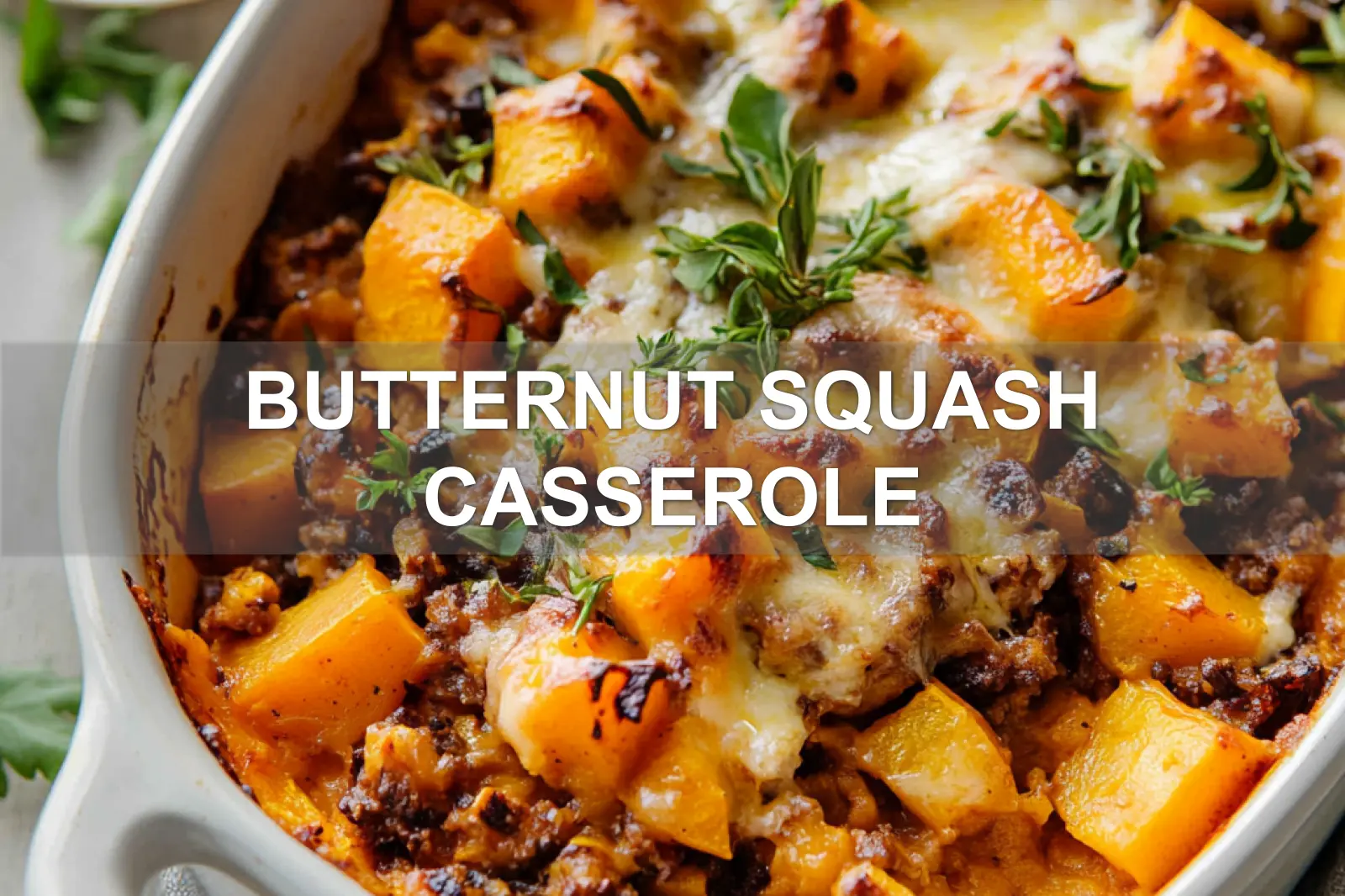
The smell of roasted squash and nutmeg takes me straight back to Grandma’s brown-tiled kitchen, where fall always meant a warm casserole bubbling away in the oven. This butternut squash casserole wraps all that comfort into one dishcreamy, just a little sweet, with a buttery crumb topping that cracks with your fork. It’s especially loved around the holidays, but lately? Folks are serving it year-round, and for good reason.
This cozy dish starts with roasted butternut squash, mashed into a silky base with just a hint of maple. We fold in Greek yogurt for creaminess and top it with a pecan oat crumble that gets golden and crisp. Like sweet potato casserole’s lighter, slightly sassier cousin. You don’t need a mixerjust a bowl and a baking dish. And bonus: it’s naturally gluten-free and made with whole-food ingredients.
I first made it in late October 2016 after returning from culinary school, craving something warm but lighter than the butter-laden classics. My mother-in-law took one bite and said, “Tastes like fall in a spoon.” I’d baked it too long that first timebut discovered the magic of loosely tenting foil halfway through, to keep the top crisp without over-drying the center. I’ve been teaching that little trick ever since, in classes, on the blog, and around our table.
Olivia Farnsworth
Butternut Squash Casserole: Easy and Delicious Recipe
This Butternut Squash Casserole is a healthy and easy side dish perfect for any occasion. With fresh herbs, creamy Greek yogurt, and a crispy cracker topping, this recipe delivers a comforting and flavorful experience that highlights the goodness of Healthy Butternut Squash. Ideal as an Easy Butternut Squash Casserole for the holidays or weeknight dinners, it’s both crowd-pleasing and nutritious.
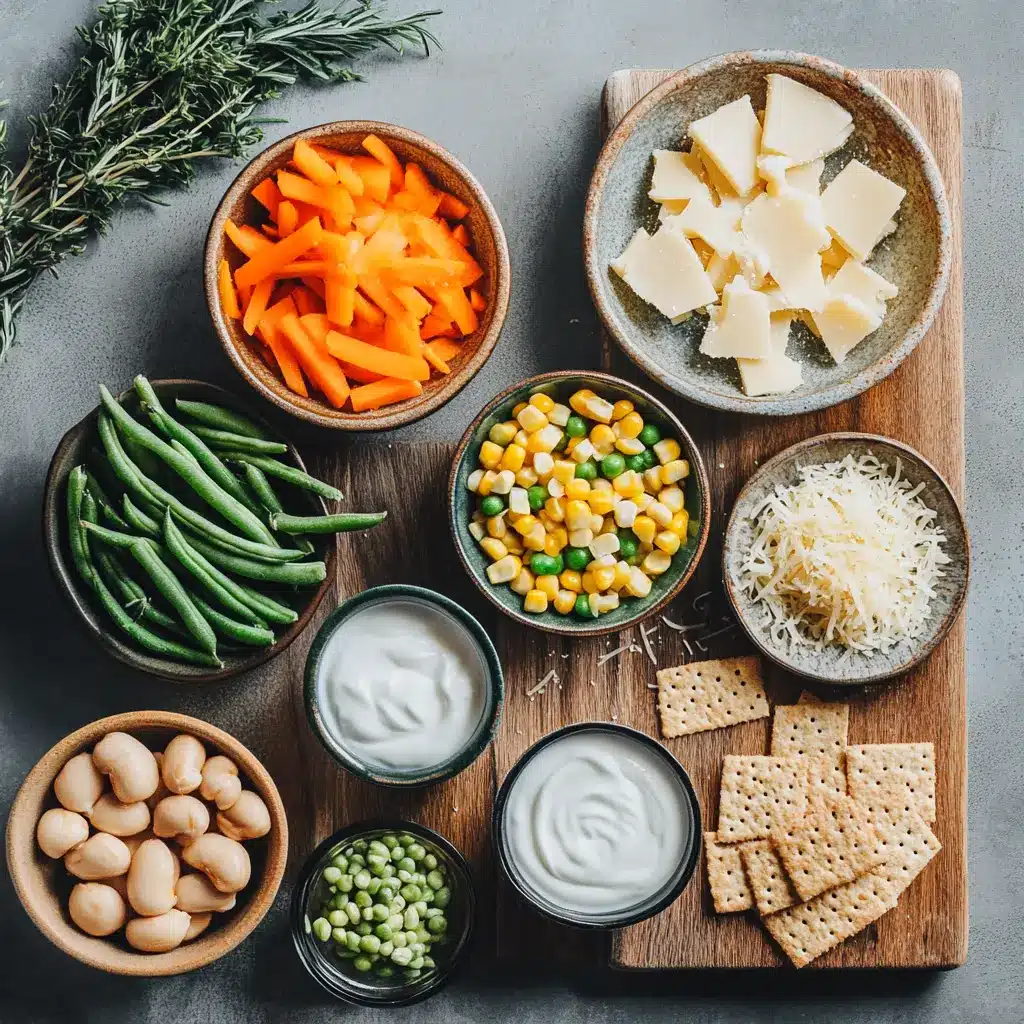
8 ounces baby bella or cremini mushrooms (finely chopped)
4 teaspoons minced garlic
1 teaspoon chopped fresh thyme
1 teaspoon chopped fresh rosemary
1/4 teaspoon fine sea salt
1 teaspoon onion powder
1 teaspoon tamari sauce or soy sauce
2 cups low-sodium vegetable or chicken broth
2 tablespoons cornstarch
12 ounces fresh green beans (chopped into 1 1/2” wide pieces, about 2 1/2 cups once chopped)
1 cup peeled and chopped carrot (approx. 2-3 medium carrots)
1 cup frozen corn
1 (15-ounce) can cannellini beans (rinsed and drained)
1/2 cup plain Greek yogurt
1 cup shredded mozzarella cheese (divided)
32 whole-wheat crackers (crumbled, about 1 to 1 1/4 cups)
1 Tablespoon olive oil or avocado oil
Fresh rosemary leaves (optional for garnish)
Method
Preheat the oven to 350°F and grease an 8” x 18” casserole dish with cooking spray.
Fill a medium-large pot halfway with water and bring to a boil. Add green beans and carrots, boiling for 3 minutes.
Add frozen corn and boil for 2 more minutes.
Drain cooked veggies and set aside in the strainer.
In the empty pot, heat 1 tablespoon oil and cook mushrooms over medium heat for 8 minutes until soft.
Add garlic, thyme, rosemary, sea salt, onion powder, tamari sauce, and broth. Whisk and cook until simmering and thickened, about 3-5 minutes. Turn off heat.
Mix drained veggies, cannellini beans, Greek yogurt, and 1/2 cup mozzarella cheese into the gravy mixture.
Spread the casserole mixture into the prepared dish.
In a medium bowl, combine crumbled crackers, 1 tablespoon oil, and remaining 1/2 cup cheese. Sprinkle over casserole.
Bake for 25 minutes.
Let cool for 10 minutes before serving. Garnish with fresh rosemary if desired.
Notes
For softer vegetables, boil carrots and green beans for 8-10 minutes instead of 3. This will give the casserole a more tender texture.
Why You’ll Love This Butternut Squash Casserole
There’s nothing quite like a warm, comforting butternut squash casserole, and this recipe truly feels like a cozy embrace on a crisp autumn evening. With its creamy texture, subtly sweet flavor, and delightful crisp topping, it’s designed to be a standout side dish that’s surprisingly easy to make. This recipe is a perfect blend of homemade warmth and effortless elegance, taking approximately 25 minutes of prep time and 65-70 minutes of cook time to yield about 6-8 generous servings.
Comfort meets health: This isn’t just a casserole; it’s an experience. Indulgent enough for a special occasion, yet crafted with lighter ingredients like Greek yogurt, it beautifully balances richness with wholesome goodness.
Beginner-friendly: Don’t let its sophisticated taste fool you. With straightforward steps and common pantry staples, even novice cooks can achieve delicious results without fancy equipment.
Holiday or anytime: While it truly shines as a centerpiece on your Thanksgiving or Christmas table, this casserole is also simple enough to whip up for a memorable weeknight dinner.
Make-ahead magic: For stress-free entertaining or busy schedules, this casserole can be prepped in advance and reheats wonderfully, allowing you to enjoy more time with your loved ones.
My Journey to the Perfect Butternut Squash Casserole
Like any home cook, I’ve had my share of kitchen experimentsfrom squash that was too watery to toppings that lost their crunch. Each attempt, though, was a step closer to this perfected butternut squash casserole. It’s a recipe born from a desire for that ideal balance: the wholesome sweetness of squash, the creamy texture, and a satisfyingly crisp topping. This version has become a comforting, healthy go-to for my family, especially when we need a touch of home on busy weeknights, reminiscent of my grandma’s own cherished recipes.
Key Ingredients for Success
The magic of this dish lies in its carefully selected, simple yet profoundly flavorful ingredients. Each component plays a vital role in creating a harmonious and delicious experience:
Butternut squash: The star of the show. Roasting the squash coaxes out its natural sugars, transforming it into a wonderfully smooth, caramelized, and sweet base that defines the casserole’s core flavor. Aim for a medium squash, about 2.5 pounds.
Greek yogurt: This clever addition provides a rich, creamy texture without the heaviness of traditional cream. It lends a subtle tang that brightens the dish and keeps it feeling light yet luxurious.
Pecan oat crumble: This is where the texture contrast truly shines. A buttery, nutty, and crisp topping that adds an irresistible crunch against the soft, creamy squash layer below.
Maple syrup: Pure maple syrup is essential here. Its warm, comforting sweetness binds all the flavors together, enhancing the squash’s natural taste with an inviting autumn note.
Pro Tip: When planning for a holiday feast or a special dinner, take a moment a few days prior to check your pantry. Ensuring you have all your ingredients ready will make your cooking process smooth and enjoyable!
Step-by-Step: How to Make Butternut Squash Casserole
This recipe might sound impressive, but it’s wonderfully straightforward. Follow these clear steps to create a show-stopping dish:
Prepare and Roast the Butternut Squash: Preheat your oven to 400°F (200°C). Carefully slice a medium (approx. 2.5 lb) butternut squash in half lengthwise. Scoop out the seeds and stringy bits. Lightly brush the cut sides with a tablespoon of olive oil, then place them cut-side down on a baking sheet. Roast for about 40 minutes, or until the flesh is very tender when pierced with a fork. Once cooled slightly, scoop out the roasted flesh and mash it until smooth in a large bowl.
Mix the Creamy Filling: To the mashed squash, add 1/2 cup of plain Greek yogurt, 1/4 cup of pure maple syrup, and 1/4 teaspoon of ground nutmeg. Mix until everything is well combined and smooth. Pour this creamy filling into an 8×8 inch (or similar size) greased casserole dish, spreading it evenly.
Prepare the Topping: In a separate bowl, combine 1/2 cup of rolled oats, 1/2 cup of chopped pecans, 2 tablespoons of melted butter (or coconut oil for a dairy-free option), and 2 tablespoons of light brown sugar. Mix these ingredients until they are well combined and crumbly. Evenly sprinkle this irresistible pecan oat crumble over the squash base in your casserole dish.
Bake to Golden Perfection: Reduce your oven temperature to 350°F (175°C). Bake the casserole for 25-30 minutes, or until the topping is beautifully golden brown and the edges are gently bubbling.
Cool & Serve: Allow the casserole to rest for about 10 minutes before serving. This crucial step lets the flavors fully meld and helps the topping set, ensuring every scoop is perfect.
Troubleshooting & Tweaks
Even the best recipes sometimes need a little adjustment. Here are solutions to common questions and creative ways to personalize this butternut squash casserole:
Squash too watery? After mashing the roasted squash, let it sit in a fine-mesh sieve for a few minutes to drain any excess liquid. This simple trick ensures your casserole remains delightfully creamy, not runny.
Prefer a crunchier topping? For an extra-crisp texture, add another handful (about 1/4 cup) of chopped pecans to the crumble, or consider baking the topping separately on a small sheet pan for 10-15 minutes until golden before scattering it over the baked squash.
No pecans? Walnuts make an excellent substitute, offering a similar nutty flavor and crunch. For a nut-free version, simply increase the oats slightly and omit the nuts entirely.
Dairy-free option: Easily adapt this recipe by using a plain, unsweetened non-dairy yogurt, such as cashew or coconut yogurt. Ensure it’s thick enough to maintain the creamy consistency.
Quick Troubleshooting Tips Table
Issue
Fix
Casserole too watery
Drain mashed squash well or reduce liquid ingredients slightly.
Topping too mushy
Bake uncovered for 5-10 extra minutes or bake topping separately for maximum crispness.
Flavor too bland
Add an extra tablespoon of maple syrup or a generous pinch (1/4 tsp) of cinnamon or allspice for more warmth.
Expert Tips for a Perfect Butternut Squash Casserole
Mastering this butternut squash casserole involves understanding a few key principles. Cooking the squash until it’s perfectly tender is paramount; this ensures a silky-smooth consistency for the base. Don’t rush the roasting process! Additionally, a thoughtful incorporation of complementary spices, like nutmeg or a hint of cinnamon, elevates the squash’s natural earthiness without overwhelming it. Achieving this balance is crucial for a comforting yet sophisticated side dish. For the topping, resist the urge to pack it down; a light, even sprinkle ensures maximum crispiness. Finally, allowing the casserole to rest for a few minutes after baking helps the flavors meld beautifully and the structure to set.
Serving & Storage Tips
Once your butternut squash casserole emerges from the oven, golden and fragrant, it’s ready to impress. Here’s how to best enjoy and preserve your delicious creation:
Serving ideas: This casserole is the quintessential side for holiday meals, pairing exquisitely with roasted turkey, glazed ham, or a festive chicken. For a lighter, satisfying weeknight dinner, serve it alongside a fresh green salad dressed with a vinaigrette.
Storage: Any delectable leftovers can be stored in an airtight container in the refrigerator for up to 4 days. This ensures its freshness and flavor remain intact.
Reheating: For individual portions, a quick warm-up in the microwave works perfectly. To reheat the entire casserole, place it in an oven preheated to 325°F (160°C) until thoroughly heated through, usually about 15-20 minutes.
Freezing: This casserole freezes beautifully! For best results, bake it completely, then allow it to cool fully. Wrap it tightly in plastic wrap and then foil, or transfer it to a freezer-safe container, and freeze for up to 2 months. Thaw overnight in the refrigerator before reheating as directed.
Pro Tip: If you’re reheating the entire casserole for guests, pop it into a preheated oven uncovered for the last 5-10 minutes. This will help to re-crisp that delightful pecan oat topping, making it taste freshly baked.
For more delicious recipes and cooking inspiration, follow me on Facebook, Pinterest and Reddit!
FAQs ( Butternut Squash Casserole )
Can I make this casserole ahead of time?
This recipe is perfect for making ahead. Prepare all components, assemble the casserole, and cover it tightly with foil. Refrigerate for up to 24 hours, then bake as directed, adding extra time if cooking from cold. This helps flavors meld while saving time on the day you serve it.
How do I store leftovers properly?
Store any leftovers in an airtight container in the refrigerator. This dish keeps well for 3 to 4 days. When reheating, cover with foil to retain moisture, and heat at 350°F until warmed through. Avoid freezing to maintain the best texture.
Can I make a gluten-free version?
Absolutely! Simply swap any breadcrumbs or flour in the recipe for certified gluten-free alternatives. Make sure all other ingredients are gluten free as well. This adjustment keeps the meal safe for gluten-sensitive guests without sacrificing flavor.
What are good substitutes for cheese in this dish?
If you want to reduce dairy or try a different flavor, nutritional yeast or vegan cheese are great options. They provide a cheesy, savory element without using traditional cheese. Tofu-based spreads or cashew cream can also add creaminess while keeping the casserole vegetarian and satisfying.
How do I prevent the casserole from becoming soggy?
To avoid sogginess, roast the butternut squash until it’s tender but still firm before adding it to the casserole. Avoid over-mixing wet ingredients and bake uncovered for the last 10 minutes to help crisp the top. These steps keep the texture balanced and satisfying.
Can I add protein to make it a main dish?
Yes! Adding cooked chicken, turkey sausage, or even beans can elevate this meal into a hearty main dish. Stir in your choice of protein before baking to keep everything warm and flavorful. This is a great way to customize the recipe for a complete dinner.
Conclusion
This butternut squash casserole is more than just a recipe; it’s an invitation to bring cozy, creamy comfort to your table with minimal effort. It comes together beautifully with about 25 minutes of prep and 65-70 minutes of cook time, resulting in layers of naturally sweet squash, warm maple, and a satisfyingly crunchy pecan topping. You’ll adore how effortlessly it fills your kitchen with that quintessential fall aroma, transforming ordinary weeknight dinners into something that feels like a cherished holiday celebration.
Remember, feel empowered to customize! Swap pecans for walnuts if you prefer, or stir in a pinch of cinnamon or allspice for an extra layer of warmth. And for those precious leftovers, they reheat wonderfully and can even regain their crispness with a quick blast in the ovena clever trick I learned from generations of family cooking. This dish is perfect for making ahead, ensuring your time in the kitchen remains easy, joyful, and focused on creating memories.
Give this recipe a try and share your cozy twists! I’d love to hear if your family has a similar fall casserole tradition. Pass this delightful recipe along to loved ones and tuck it into your personal collection of homemade gems. Trust me, this is one you’ll be eager to make again and again.
With a passion for wholesome cooking inspired by family traditions, I create healthy, simple recipes focused on sourdough, shrimp, chicken, and balanced meals for everyday wellness.
Every recipe here is tested in my kitchen using U.S. measurements and easy-to-find ingredients, so you can cook confidently.
Thank you for joining this cozy community where nutritious and delicious meals come together.