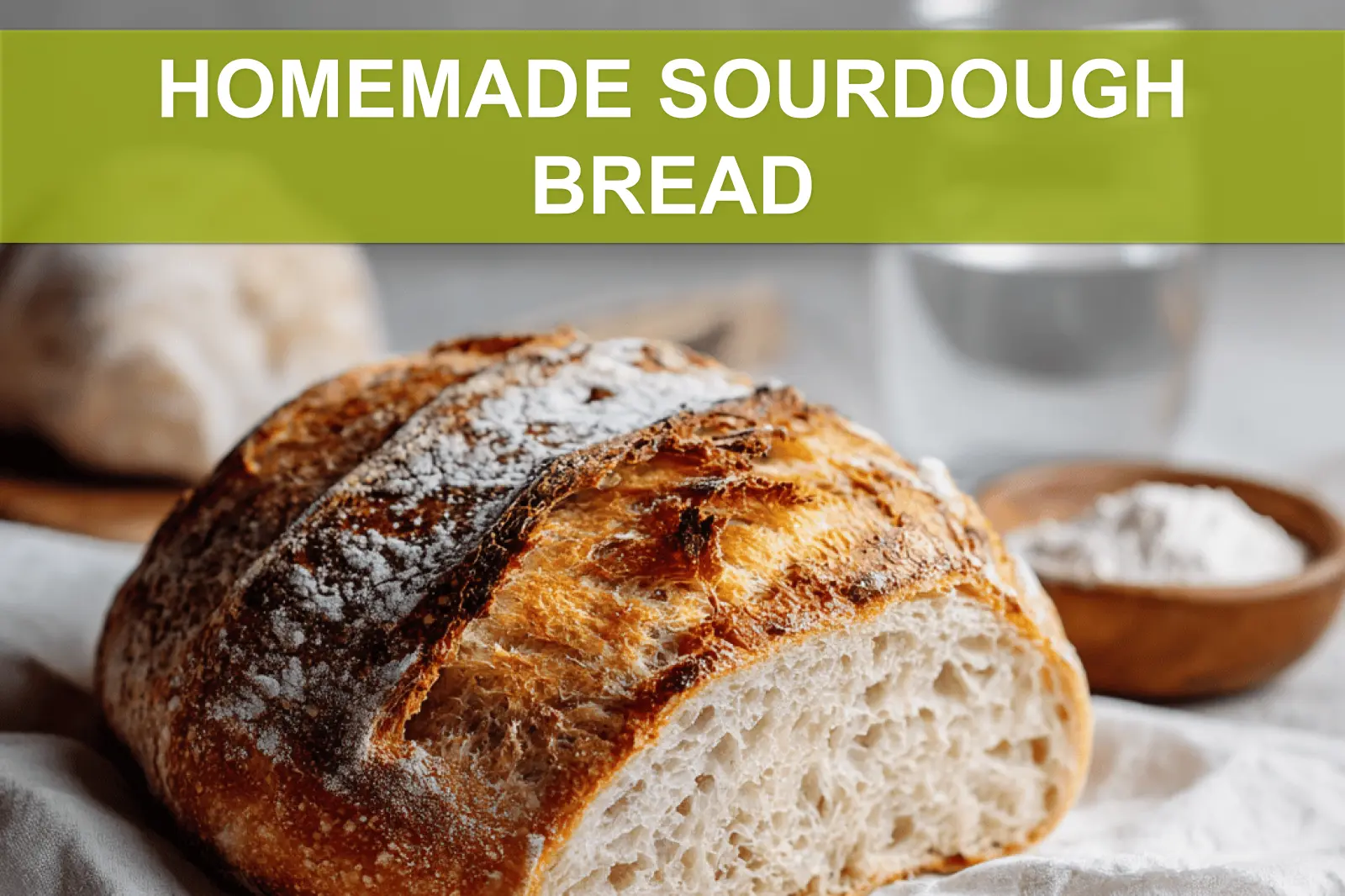
There’s something magical about pulling a crackly loaf of homemade sourdough bread straight out of the oven. The aroma that hits the second you slice into it? Pure heaven. With sourdough trending across social feedsfrom Pinterest boards to flour-dusted TikToksthis easy sourdough bread recipe keeps things practical for beginners. Just mix, rest, and bake. That’s it.
This rustic, golden loaf is chewy on the inside, with that bakery-style crust you love. All you need are four basic ingredients: flour, salt, water, and an active starter. No fancy techniques, no special equipmentjust a mixing bowl, your oven, and a little time. Scroll down for step-by-step instructions you’ll actually use.
My journey with sourdough started with a hand-me-down starter from my grandmother’s fridgefermented, slightly temperamental, and full of character. It taught me that baking is as much about patience as ingredients. This recipe has been refined just for you, with a subtle twist added before the final proof that really takes the flavor up a notch.
Why You’ll Love This Recipe
Homemade sourdough bread is a rewarding kitchen project that pays off in taste and aroma. Here’s why this recipe stands out:
Simple steps: No complicated techniquesjust mix, rest, stretch, and bake.
Golden crust: Achieve a bakery-style crunch that fills your kitchen with irresistible warmth.
Soft crumb: Tender, bubbly, and chewyideal for spreading butter or dipping into soup.
Beginner-friendly: With only 25 minutes of hands-on time, even novice bakers can make it work.
Key Ingredients & Tools
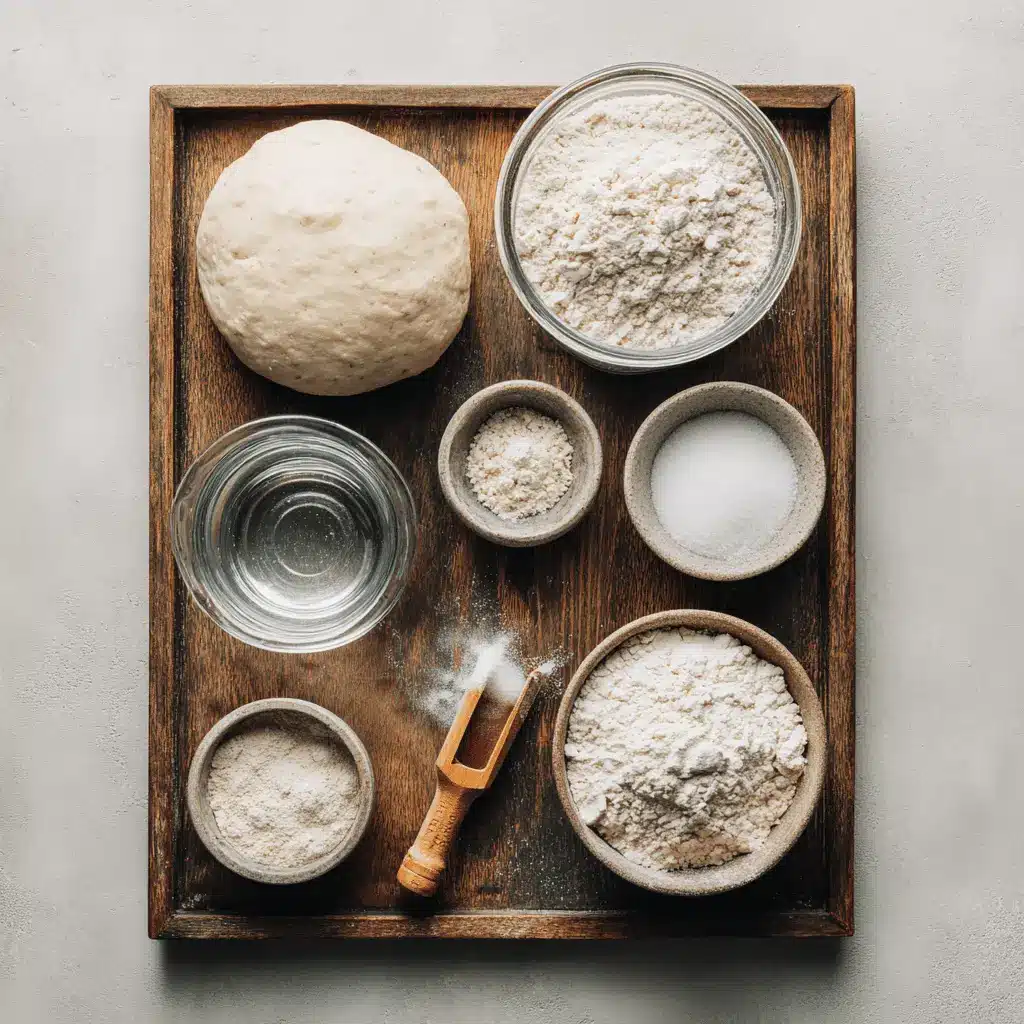
This no-stress sourdough recipe relies on just four core ingredients and a few kitchen tools:
Active sourdough starter: The wild yeast culture that does all the fermenting magic (use 50–100g adjusted to your schedule and room temperature).
Water: Use warm (not hot) water around 75°F (24°C) to encourage yeast growth.
Salt: Enhances flavor and supports yeast activity.
Helpful tools that simplify the process:
Digital scale: Precision makes all the difference in sourdough baking.
Large mixing bowl: Needed for bulk fermentation and dough expansion.
Dutch oven or heavy-lidded pot: Traps steam for a perfect crispy crust.
Ingredient
Measurement
Notes
Active sourdough starter
50–100g
Adjust based on kitchen temperature and timing needs.
Warm water
375g
Use slightly more for high hydration dough.
Bread flour
500g
Ensures structure and a gorgeous rise.
Fine sea salt
9–12g
Adjust to taste; kosher salt works, but amounts may vary slightly.
How It Works: Step-by-Step
Baking sourdough is about timing, observation, and letting fermentation work its magic. Here’s the full breakdown:
Mix: In a large bowl, combine starter, water, and flour. Stir with a spoon or hands until no dry flour remains. Cover and let rest for 30 minutes (this rest is called autolyse, even though we described it as skipping that stepthis simplified mix-rest version still allows enzymes to start working).
Add salt: Sprinkle in salt and mix thoroughly using gentle folds and stretches to incorporate without deflating the structure.
Stretch & fold: Over the next 2–2.5 hours, perform four stretch and foldspull one side of the dough and fold it over, turn the bowl, and repeat. Rest 30 minutes between rounds.
Bulk fermentation: Cover and ferment dough at room temperature (ideally 70–75°F or 21–24°C) for 4–6 hours, until it doubles and shows bubbles along the sides. A straight-sided container helps track rise.
Shape & rest: Turn the dough out onto a lightly floured surface. Shape into a round or oval loaf. Place in a floured proofing basket or bowl lined with cloth. Cover and refrigerate overnight (8–12 hours) for the final proof.
Bake: Preheat oven to 450°F (232°C) with Dutch oven inside. Carefully transfer dough into the hot pot. Score the top with a blade or sharp knife. Bake covered for 20 minutes, then uncover and bake an additional 25–30 minutes until deep golden brown and crusty.
Step
Timing
Notes
Mix & Rest
5 minutes
Starter, flour, water first. Rest 30 minutes before adding salt.
Stretch & Fold
2–2.5 hours
Do 4 rounds, every 30 minutes.
Bulk Fermentation
4–6 hours
Look for doubling in volume and visible air bubbles.
Final Proof
8–12 hours
Refrigerate overnight to deepen flavor and make scoring easier.
Troubleshooting
Sourdough can be finicky, but don’t let that stop you. Here’s how to fix common issues:
Sticky dough: Let it rest covered for 10–15 extra minutes between folds to strengthen gluten.
Flat loaf: Your starter may be inactivefeed it and check that it doubles in volume before baking.
Dense crumb: Try extending the bulk fermentation or increasing stretch and folds for better gluten development.
Burnt bottom: Place a baking sheet under your Dutch oven or sprinkle cornmeal beneath the loaf.
Serving & Storage Tips
Once the loaf cools completely on a wire rack (this takes about an hour), it’s ready to eat or store:
Serving: Cut into thick slices for buttering, toast with jam, or dip into olive oil or soup.
Storage (short-term): Wrap in a clean towel or keep in a bread bag. Avoid plastic to preserve the crust.
Freezing: Slice and wrap individually in parchment or wax paper, then freeze in bags for easy grab-and-toast mornings.
Storage Method
Duration
Tips
Room Temperature
2–3 days
Keep wrapped in towel or in a linen bag; avoid airtight containers that soften crust.
Freezer
Up to 3 months
Freeze slices individually for quick toasting. Let cool fully before freezing.
Expert Insight: The Art of Homemade Sourdough Bread
Mastering sourdough baking is all about observation. Small changes in temperature, humidity, and feeding schedules can create big flavor shifts. The wild yeast and friendly bacteria found in a good starter promote not only taste, but also improve digestibility, gluten breakdown, and shelf life. Once you build intuition, you’ll never look at store-bought bread the same way again.
For more delicious recipes and cooking inspiration, follow me on Facebook, Pinterest and Reddit!
The Joy of Baking Homemade Sourdough Bread
Perfecting sourdough took timemissed feeds, lumpy dough, flat loavesbut also brought laughter and pride with every attempt. The crust crackles, the crumb sings with tang. Nothing compares to the warm joy of slicing into your own creation and pairing it with anything from herbed butter to toasted almond spread. It’s more than bakingit’s a nourishing ritual.
FAQs ( Homemade Sourdough Bread, Step by Step )
Conclusion
This homemade sourdough bread recipe brings together simplicity and souleffortless enough for weekdays, yet delicious enough to share on special weekends. The crisp crust, tangy bite, and pillowy crumb are well worth a little patience.
Want to make it your own? Try swapping 25% of the flour for whole wheat, or adding chopped rosemary and flaky sea salt before baking. A pro tip: scoring deeply lets the loaf bloom beautifully, while covering it early locks in essential steam for that golden crunch.
If baking this loaf brought back a cozy kitchen memory or sparked a new tradition, I’d love to hear it! Share your version with me, and tag a friend who could use a slice of homemade comfort today.
Thomas Baker
Homemade Sourdough Bread: Easy Delicious Recipe
If you love fresh sourdough bread with a golden, crisp crust and a light, airy crumb, this fool proof sourdough bread recipe is for you. It’s one of the simplest homemade sourdough bread recipes with quick preparation, requiring only 25 minutes of hands-on work. This recipe sourdough bread guide will walk you through each step, making sourdough bread quick and enjoyable.
In a large mixing bowl, combine the sourdough starter and warm water. Stir until the starter is dissolved.
Add the bread flour and salt to the mixture. Mix together until a rough dough forms.
Cover the bowl with a towel and let the dough rest for 30 minutes.
Perform the first set of stretches and folds by grabbing the edge of the dough, stretching it upward and folding it over the center. Rotate the bowl and repeat 3 more times.
Repeat the stretches and folds every 30 minutes for a total of 4 sets.
After the last fold, cover the dough and let it bulk ferment at room temperature until it has increased in volume by about 50%, approximately 4 to 6 hours depending on starter activity and room temperature.
Transfer the dough onto a lightly floured surface and pre-shape it into a round. Let it rest for 20-30 minutes.
Perform the final shaping into a round boule or batard shape.
Place the shaped dough seam-side up in a well-floured flour sack towel-lined proofing basket or bowl.
Cover and refrigerate the dough overnight (8-12 hours) for the final proof.
Preheat your oven to 450°F (230°C) with a Dutch oven inside for at least 30 minutes.
Carefully remove the hot Dutch oven, invert the dough onto parchment paper, and score the top with a sharp blade.
Place the dough with the parchment into the Dutch oven, cover with the lid, and bake for 20 minutes.
Remove the lid and bake for an additional 20-25 minutes until the crust is golden and crisp.
Remove the bread from the oven and cool on a wire rack for at least 1 hour before slicing.
Notes
Use an active sourdough starter activated from brands like King Arthur Flour or Breadtopia. Invest in a digital scale for accurate measurements. Use rice flour for dusting to prevent burning, or use a flour sack towel without any flour. Adjust hydration by adding more water if desired. Use either kosher salt (Diamond Crystal) or fine sea salt (Baleine Fine), about 12 grams. For a more open crumb, try shaping a batard. Add herbs, cheese, or spices before the third set of stretches and folds, and consider an extra fold for even distribution.
With a passion for wholesome cooking inspired by family traditions, I create healthy, simple recipes focused on sourdough, shrimp, chicken, and balanced meals for everyday wellness.
Every recipe here is tested in my kitchen using U.S. measurements and easy-to-find ingredients, so you can cook confidently.
Thank you for joining this cozy community where nutritious and delicious meals come together.