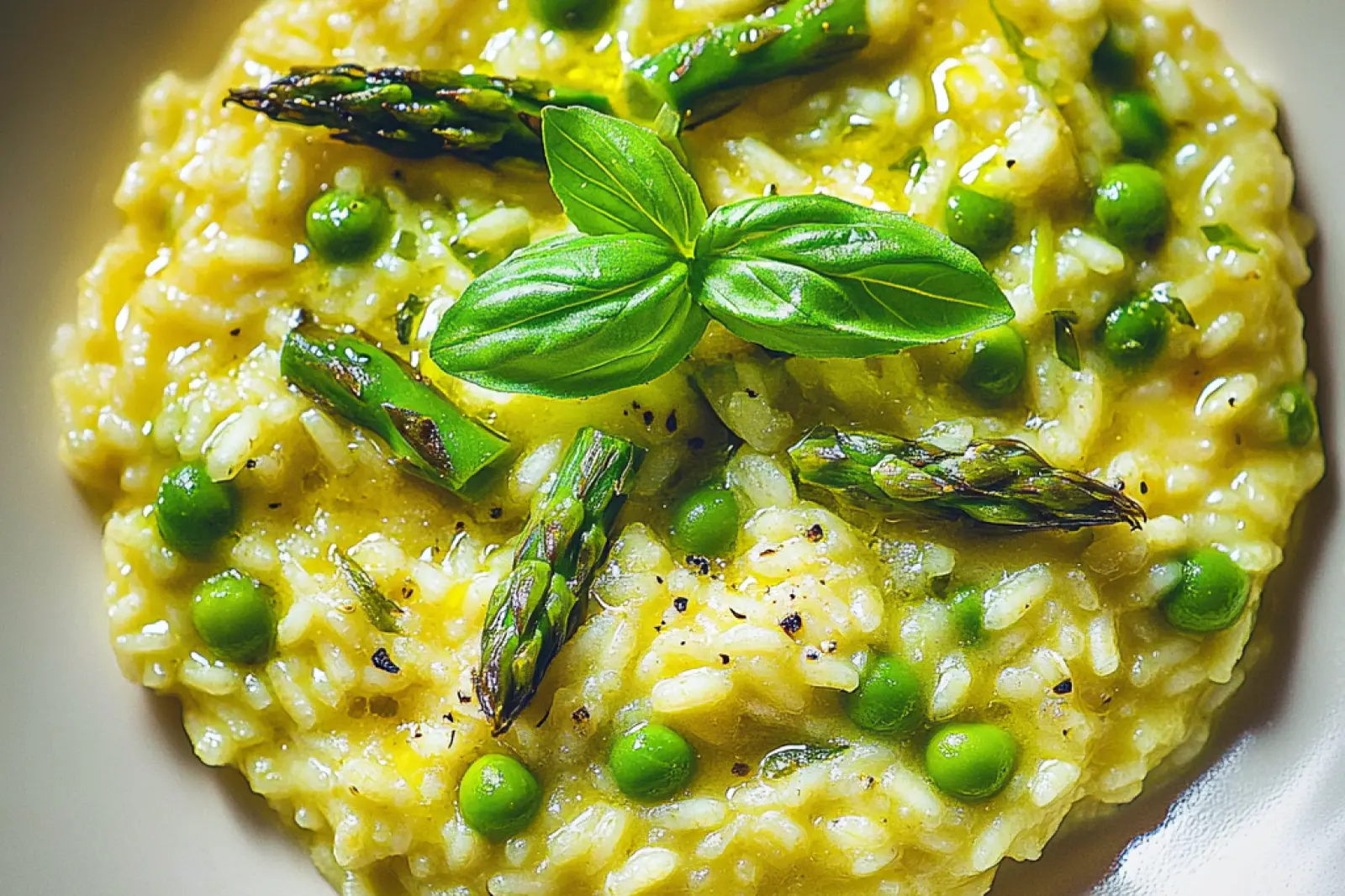
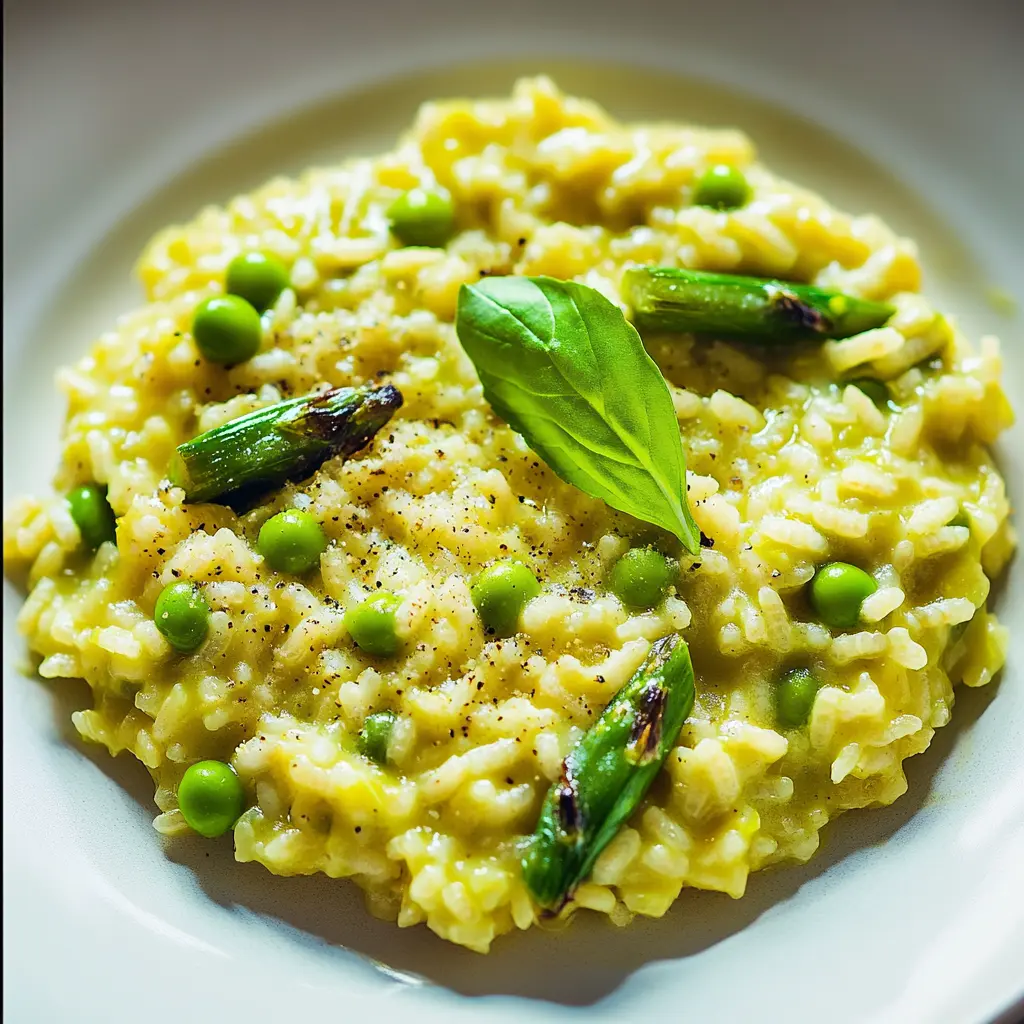
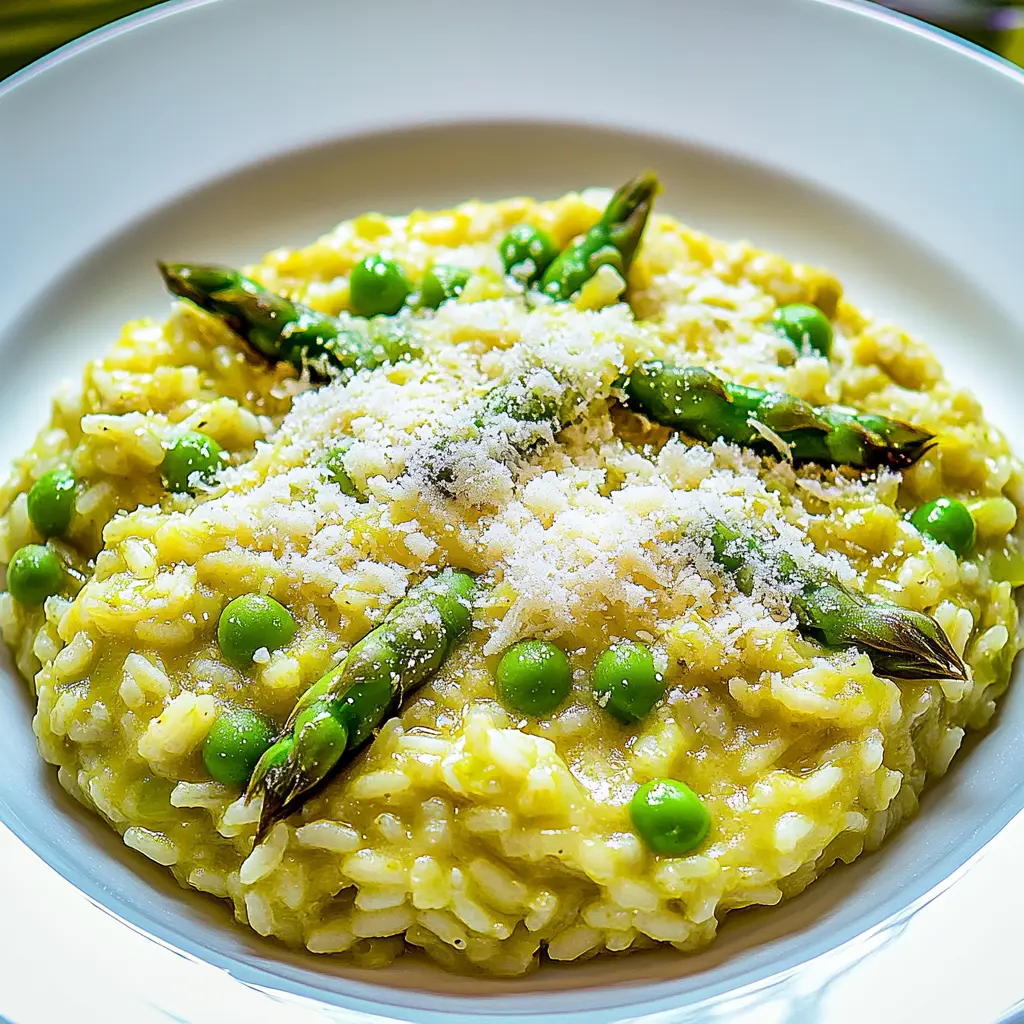
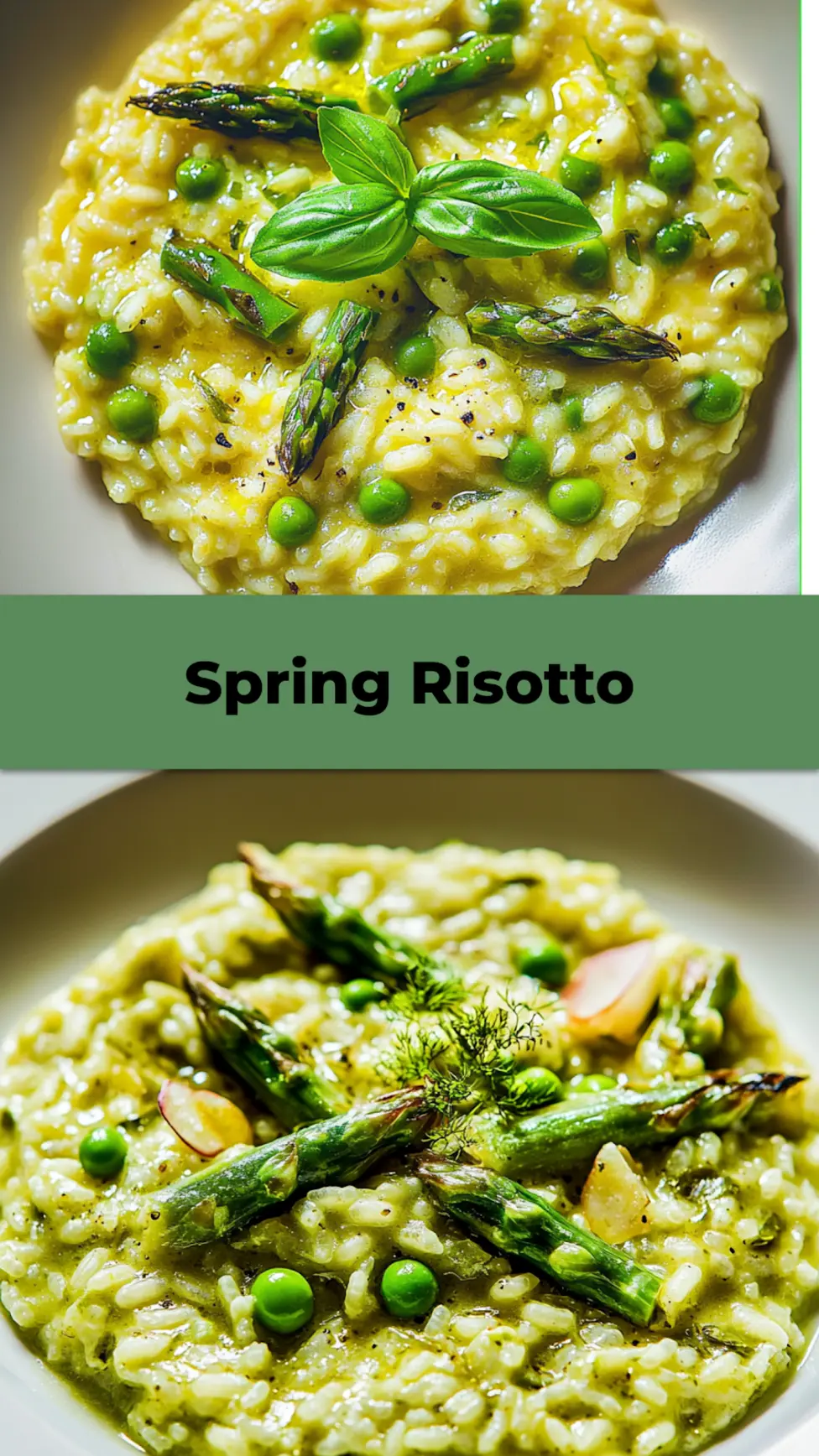
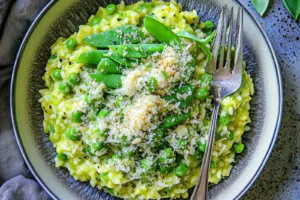
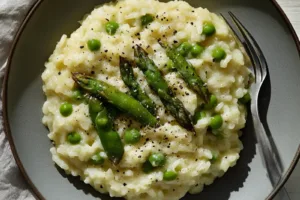
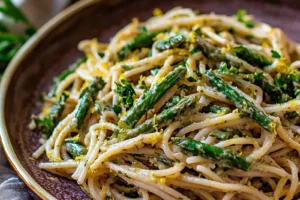
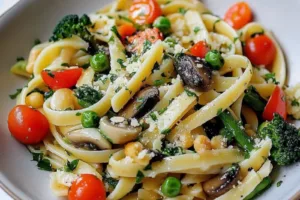
There’s something about the first snap of asparagus at the market that just makes me want to cook again. Spring Risotto with Asparagus and Peas is creamy, bright, and the kind of dinner that feels like a reset without any fuss.
I shot this recipe on a Thursday last April when I’d been testing heavy casseroles all week and just needed something lighter. After a long day, I need dinner to be comforting but not heavyand this came together in under 30 minutes with almost no chopping. The trick is adding the peas at the very end so they stay sweet and vibrant, and using stock that’s actually warm (it really does speed things up). I’ve photographed a lot of risottos over the years, and this one’s still my go-to when I want something that looks impressive but doesn’t require much energy.
Thomas Baker
Spring Risotto with Asparagus and Peas Easy Weeknight Dinner
This Spring Risotto with Asparagus and Peas is a wonderfully creamy and fresh meal perfect for an easy dinner or a family weeknight meal. Featuring a silky pea purée combined with tender asparagus, fresh herbs, and a zesty hint of lemon, this spring risotto offers a delightful twist on classic creamy risotto dishes like asparagus risotto and pea risotto.
1 cup packed fresh herbs I used mint and Italian parsley
1 tablespoon lemon juice
1 teaspoon sea salt
⅓ cup water
1 tablespoon olive oil
1 tablespoon butter
½ onion finely diced
3 – 4 garlic cloves finely diced
300 grams arborio rice
250 ml white wine
6 cups stock use vegetable or chicken
150 grams asparagus chopped (see notes)
40 grams parmesan finely grated
Lemon zest and extra parmesan to serve
Salt and pepper to taste
Method
Bring a pot of water to a boil and drop in the frozen peas, cooking for 3 minutes. Before draining, save ⅓ cup of the cooking water, then rinse the peas under cold water to halt cooking.
In a blender, combine the drained peas, reserved water, fresh herbs, lemon juice, and sea salt. Blend until smooth, then optionally pass the mixture through a fine sieve for extra creaminess. Set aside the pea purée.
Warm the stock in a saucepan and keep it at a gentle simmer.
In a large frying pan or shallow pot, melt the butter with olive oil over medium heat. Add the diced onion and cook for about 3 minutes until softened, making sure not to brown.
Add the garlic to the pan and cook for another 2 minutes, stirring regularly.
Stir in the arborio rice and cook for a few minutes until the grains are translucent and well coated.
Pour in the white wine and stir until it is mostly absorbed, maintaining a gentle simmer without boiling.
Begin adding the simmering stock one ladle at a time, allowing each addition to absorb completely before adding the next, stirring often.
After 15 minutes from the first ladle of stock, stir in the chopped asparagus and continue cooking, adding stock as needed, for another 10 minutes or until the rice is tender but still slightly firm to the bite.
Remove from heat, then mix in the grated parmesan cheese.
Fold in the pea purée, season with salt and several cracks of black pepper, and add a knob of butter if desired for extra richness.
Serve the risotto garnished with lemon zest, extra parmesan, and a drizzle of high-quality extra virgin olive oil.
Notes
I like to chop the asparagus unevenly for a more interesting texture and appearance. It’s not necessary to cook the asparagus ahead; it softens nicely while maintaining a pleasant crunch during the risotto cooking. If asparagus is out of season, broccoli or green beans make good substitutes. For best results, choose good quality arborio rice and maintain a gentle simmer while cooking the risotto to achieve the perfect creamy and al dente texture.
Why You’ll Love This Spring Risotto
This is one of those reliable weeknight wins that gets you back into a rhythm when you need something comforting but not heavy. The pea purée adds a silky, vibrant sweetness that feels restaurant-fancy but comes together in under 30 minutes.
Fresh and light: Asparagus stays crisp, peas stay bright, and the whole dish feels like spring on a plate.
Flexible and forgiving: You can swap in broccoli or green beans if asparagus isn’t in season, and the recipe adapts beautifully to what you have on hand.
Vegetarian-friendly: Use vegetable stock and you’ve got a gorgeous meatless main that doesn’t need anything else.
Impressive but approachable: The bright green purée makes it look like you spent hours, but the process is surprisingly simple.
Key Ingredients You’ll Need
The magic here is in the pea puréeit’s what makes this risotto silky and vibrant without any cream. You’ll blitz frozen peas with fresh herbs (mint and Italian parsley), lemon juice, salt, and a little water until smooth. I recommend passing it through a sieve for an extra-smooth finish, but if you skip that step, it’s still delicious.
For the risotto base, you’ll use arborio rice, which gives you that creamy texture, plus white wine for depth, and stock (vegetable or chicken) to cook the rice gently. The asparagus gets added partway through so it stays tender-crisp, and parmesan brings everything together at the end. A little butter and olive oil start it all off, and lemon zest finishes it with brightness.
Pro Tip: Keep your stock warm in a separate potit helps the rice cook more evenly and speeds up the whole process.
How It Comes Together (Step by Step)
Step
What to Do
Timing
1. Make pea purée
Boil frozen peas 3 minutes, drain (save ⅓ cup water), run cold water over them. Blitz with herbs, lemon juice, salt, and reserved water. Optional: pass through sieve.
5 minutes
2. Start risotto base
Melt butter and olive oil, cook diced onion 3 minutes, add garlic 2 minutes, then stir in arborio rice until translucent.
5 minutes
3. Add wine
Pour in white wine, stir gently until mostly absorbed.
2 minutes
4. Add stock gradually
Ladle in warm stock one scoop at a time, stirring frequently. Let each addition absorb before adding the next.
15 minutes
5. Add asparagus
After first 15 minutes of stock additions, stir in chopped asparagus. Continue adding stock.
10 minutes
6. Finish
Stir in parmesan and pea purée. Taste, season with pepper. Serve with lemon zest and extra parmesan.
2 minutes
Note: You want a gentle simmer the whole timenever a fierce boil. Adjust your heat as needed, and stir frequently but not constantly. The rice should have a slight al dente bite when it’s done.
Smart Swaps and Seasonal Tweaks
One of the best things about this recipe is how adaptable it is. If asparagus isn’t in season or you just prefer something else, broccoli florets or trimmed green beans work beautifully. You can also swap the herbsbasil or chives would be lovely in the pea purée if you don’t have mint or parsley on hand.
Ingredient
Swap Options
Asparagus
Broccoli florets, green beans, or snap peas
Fresh herbs (mint & parsley)
Basil, chives, or all parsley
White wine
Extra stock + splash of lemon juice
Parmesan
Pecorino Romano or nutritional yeast (for dairy-free)
Frozen peas
Fresh peas (blanch 2 minutes instead of 3)
Pro Tip: If you’re keeping it vegetarian, make sure your stock and parmesan are both vegetarian-friendlysome parmesans contain animal rennet.
Serving and Storing Your Risotto
Risotto is best served immediately while it’s still creamy and warm. I like to plate it in shallow bowls, then finish with a sprinkle of lemon zest, a drizzle of really good olive oil, and a little extra grated parmesan. It makes a gorgeous vegetarian main or a side dish alongside roasted chicken or fish.
Leftovers can be stored in an airtight container in the fridge for up to 3 days. Risotto thickens as it sits, so when you reheat it, add a splash of stock or water and warm it gently on the stovetop, stirring until it loosens up again. It won’t be quite as creamy as fresh, but it’s still delicious.
Note: You can also turn leftover risotto into crispy rice cakesjust shape into patties and pan-fry in a little butter or olive oil until golden.
Follow me on to unlock a world of flavorful recipes and creative food ideas Pinterest!
FAQs (Spring Risotto with Asparagus and Peas)
Can I use frozen vegetables instead of fresh?
Yes, frozen asparagus and peas work well in this recipe. Thaw them completely and pat dry before adding to prevent excess water from making the risotto watery. Add frozen vegetables during the last 3-4 minutes of cooking to maintain their texture and color.
What type of rice works best for creamy texture?
Arborio rice is the most common choice, but Carnaroli or Vialone Nano rice create even creamier results. These short-grain varieties release starch gradually when stirred, creating the signature creamy consistency. Avoid long-grain rice like jasmine or basmati as they won’t achieve the proper texture.
How do I know when the risotto is perfectly cooked?
The rice should be tender with a slight bite (al dente) and the mixture should flow like lava when stirred. If you draw a spoon across the pan, it should briefly hold its shape before flowing back together. This typically takes 18-20 minutes of gradual liquid addition and stirring.
Can I make this dish ahead of time?
Risotto is best served immediately for optimal texture. However, you can prepare ingredients in advance and cook the base risotto 3/4 of the way through. When ready to serve, reheat gently with additional warm broth, then add the final ingredients and cheese.
What wine pairs well with this spring dish?
A crisp white wine like Pinot Grigio, Sauvignon Blanc, or Vermentino complements the fresh vegetables beautifully. For cooking, use the same wine you plan to serve. The acidity enhances the bright flavors while the alcohol cooks off, leaving subtle depth to the dish.
This Spring Risotto with Asparagus and Peas comes together in about thirty minutes and delivers that silky, creamy texture you want without any fuss. You’ll love how the bright green pea purée makes it look like you spent all afternoon in the kitchen, even though most of the work is just gentle stirring. The asparagus stays crisp, the rice gets perfectly tender, and the whole dish feels like a breath of fresh air after a long day.
If you want to stretch this into two meals, it reheats beautifully with a splash of stock stirred in on the stovetop. I’ve also made this with broccoli when asparagus wasn’t in season, and it was just as goodsometimes swapping what you have on hand makes the recipe even better. Try finishing each bowl with a drizzle of really good olive oil and a few extra shavings of parmesan; it’s a small touch that makes it feel special. One trick I picked up from years of photographing risotto: don’t skip warming your stock. It really does make a difference in how evenly everything cooks.
I’d love to know if you try thistag me if you share a photo, or tell me what swaps you made in the comments. Did you grow up eating risotto, or is this your first time giving it a try? Either way, I hope this one becomes a weeknight favorite you come back to when you need something comforting but not heavy. Simple meals like this make busy evenings a little softer.
With a passion for wholesome cooking inspired by family traditions, I create healthy, simple recipes focused on sourdough, shrimp, chicken, and balanced meals for everyday wellness.
Every recipe here is tested in my kitchen using U.S. measurements and easy-to-find ingredients, so you can cook confidently.
Thank you for joining this cozy community where nutritious and delicious meals come together.